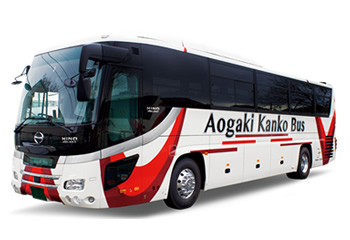
Yokohama & Kobe Cruise Port Shore Excursion Bus Charters for Groups
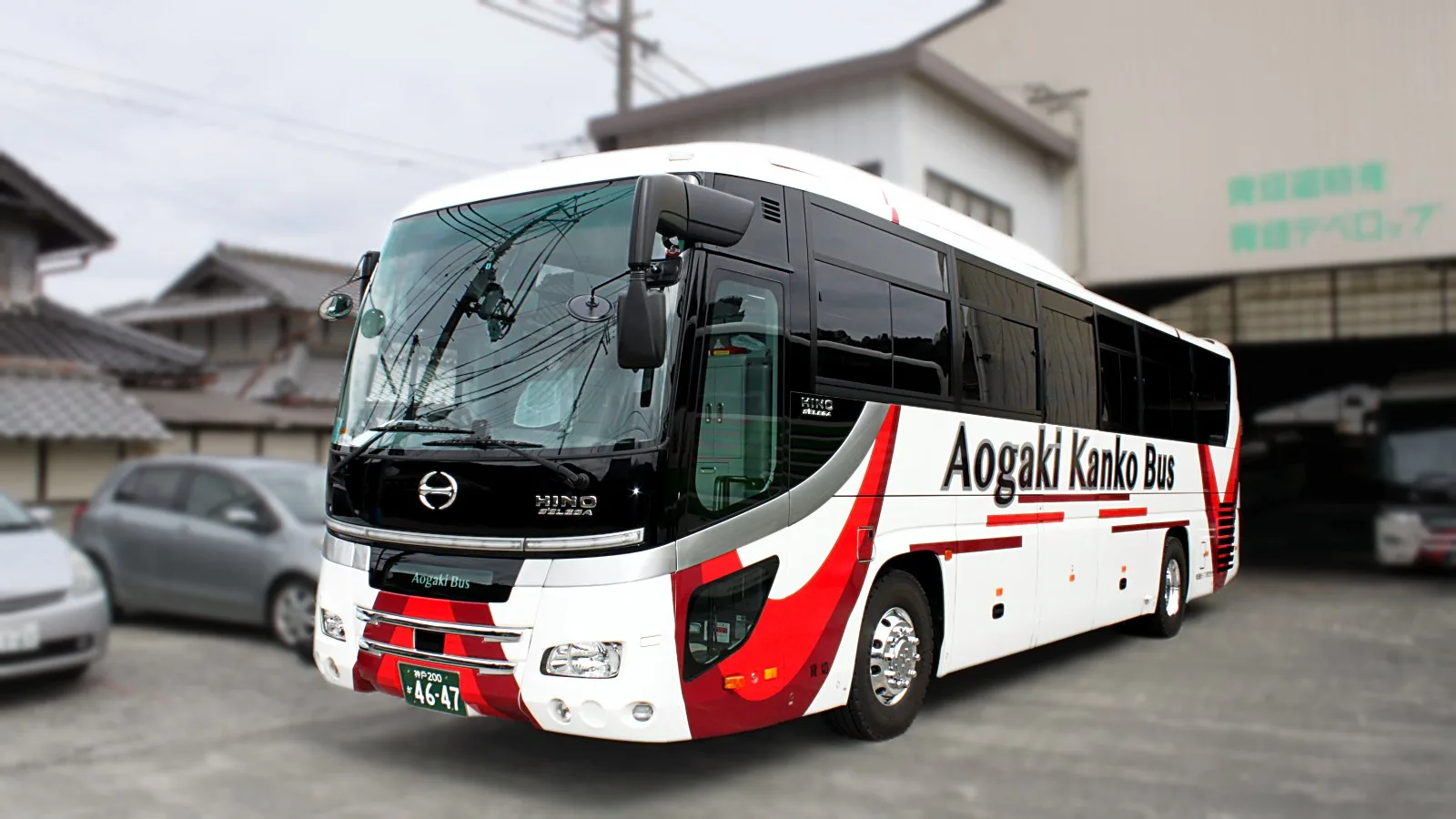
Private Charter Buses for Cruise Groups in Yokohama & Kobe: How It Works
When a cruise ship calls at Yokohama or Kobe, a private charter bus is reserved exclusively for one group, with no other passengers sharing the vehicle or the itinerary. Vehicle size is matched to the group: smaller sedans and vans suit a handful of guests, while mid-size and large motorcoaches handle tour groups of twenty, forty, or more, with large buses seating up to 53 or 60 passengers depending on configuration. Multilingual drivers and party leaders who can communicate in English, Chinese, or Korean are commonly arranged within the industry for inbound cruise groups, making it easier to coordinate pickup times and onboard announcements. For groups that include guests who use wheelchairs, wheelchair-accessible buses with lift-equipped vehicles can be arranged as part of the same booking, so mobility needs do not limit how a shore excursion is planned.
Yokohama Port Pickup Guide: Osanbashi vs. Shinko Pier
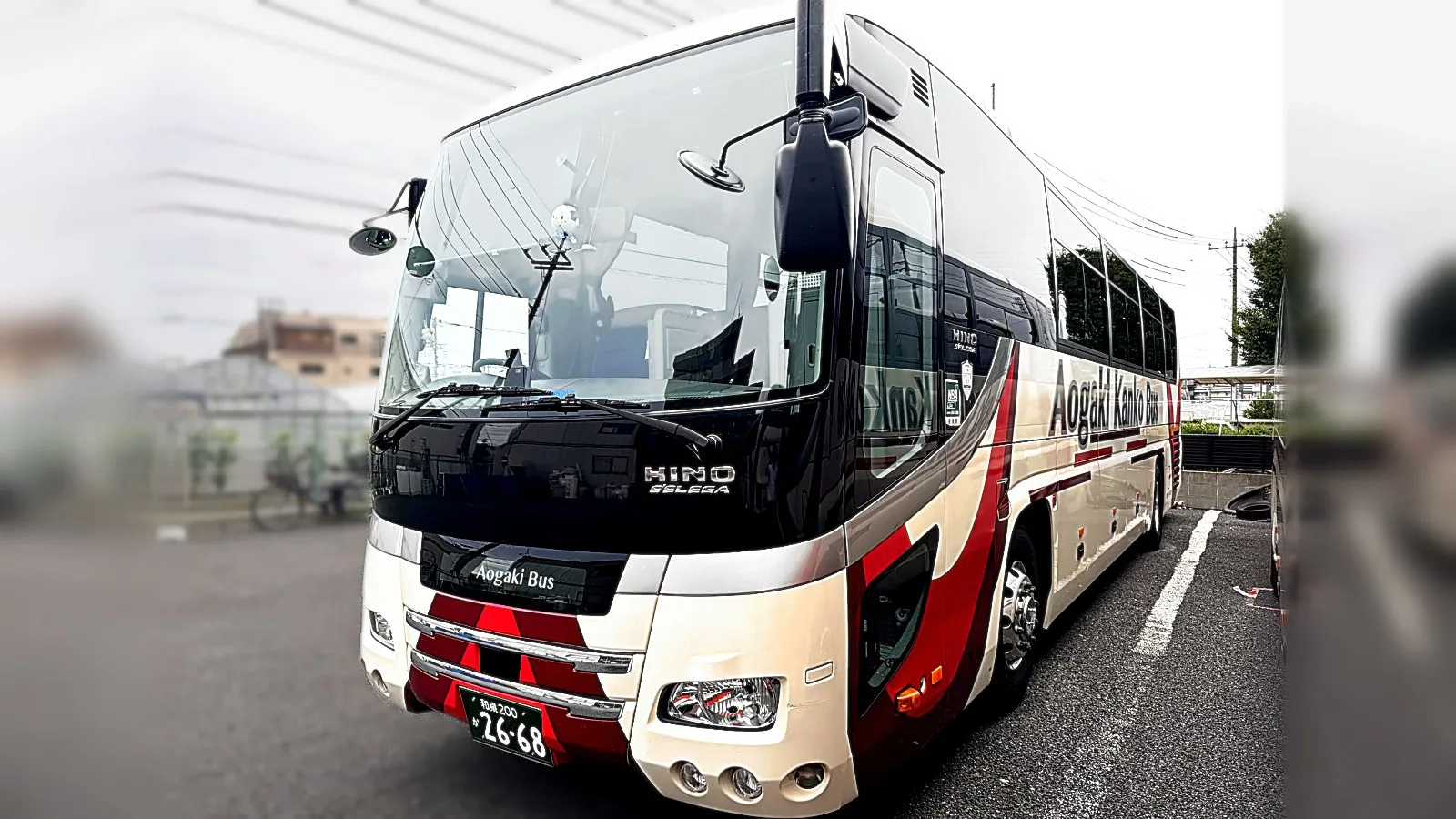
Yokohama has two cruise terminals, and knowing which one a ship is using changes how pickup is planned. Osanbashi International Passenger Terminal is a seven-minute walk from Nihon-odori Station, while Shinko Pier Passenger Terminal is about ten minutes from Bashamichi Station. Bus access at Osanbashi is limited to vehicles under 12 meters in length and under 3.8 meters in height, with parking for only six buses at a time, so a reserved slot matters for larger groups. Passengers board and alight at the rotary in front of the terminal entrance rather than inside the parking area itself, so a charter plan accounts for that short walk. Because space is limited, the exact waiting area and pickup lane are confirmed with the charter operator in advance, rather than decided on the day.
Kobe Port Pickup Guide: Nakatottei and the Three-Terminal System
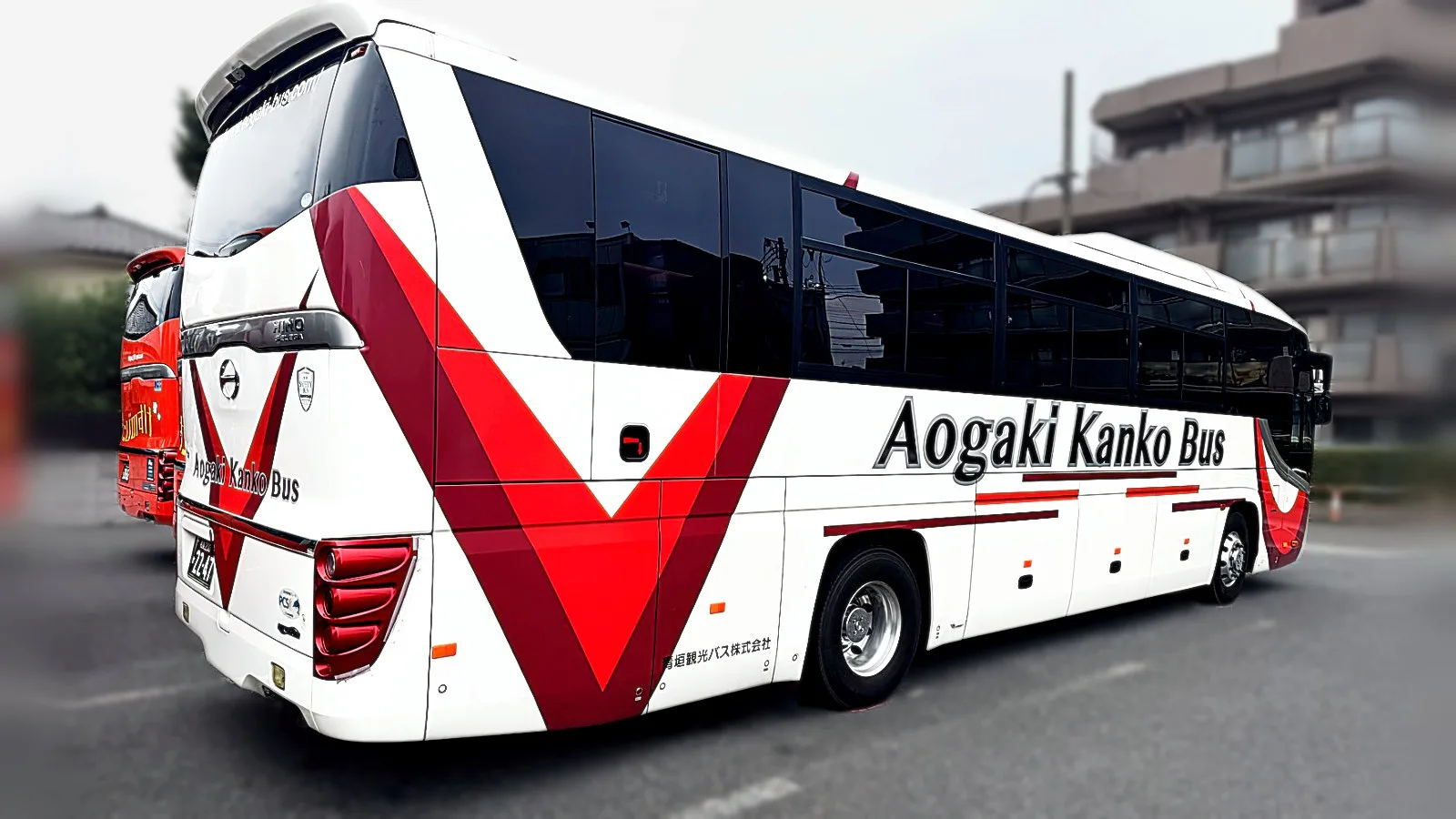
Kobe's cruise operations are spread across three locations. Nakatottei Passenger Terminal is the berth built to receive large cruise ships of up to roughly 77,000 gross tons, and a free shuttle bus links Nakatottei with Kobe Port Terminal and the Shinko-cho area for passengers moving between the three points. Kobe Port Terminal also provides a paid parking area for up to 18 buses, with that fee set and collected by the terminal facility itself rather than by the charter company. Because group bus access to the terminal area runs on a reservation system, advance notice to the terminal's management office is required ahead of a ship's call, and the charter company handles that coordination together with fixing the pickup point for whichever of the three terminals the ship is actually using, so there is no confusion at disembarkation.
Why Yokohama & Kobe Are Busy Cruise Ports in 2026
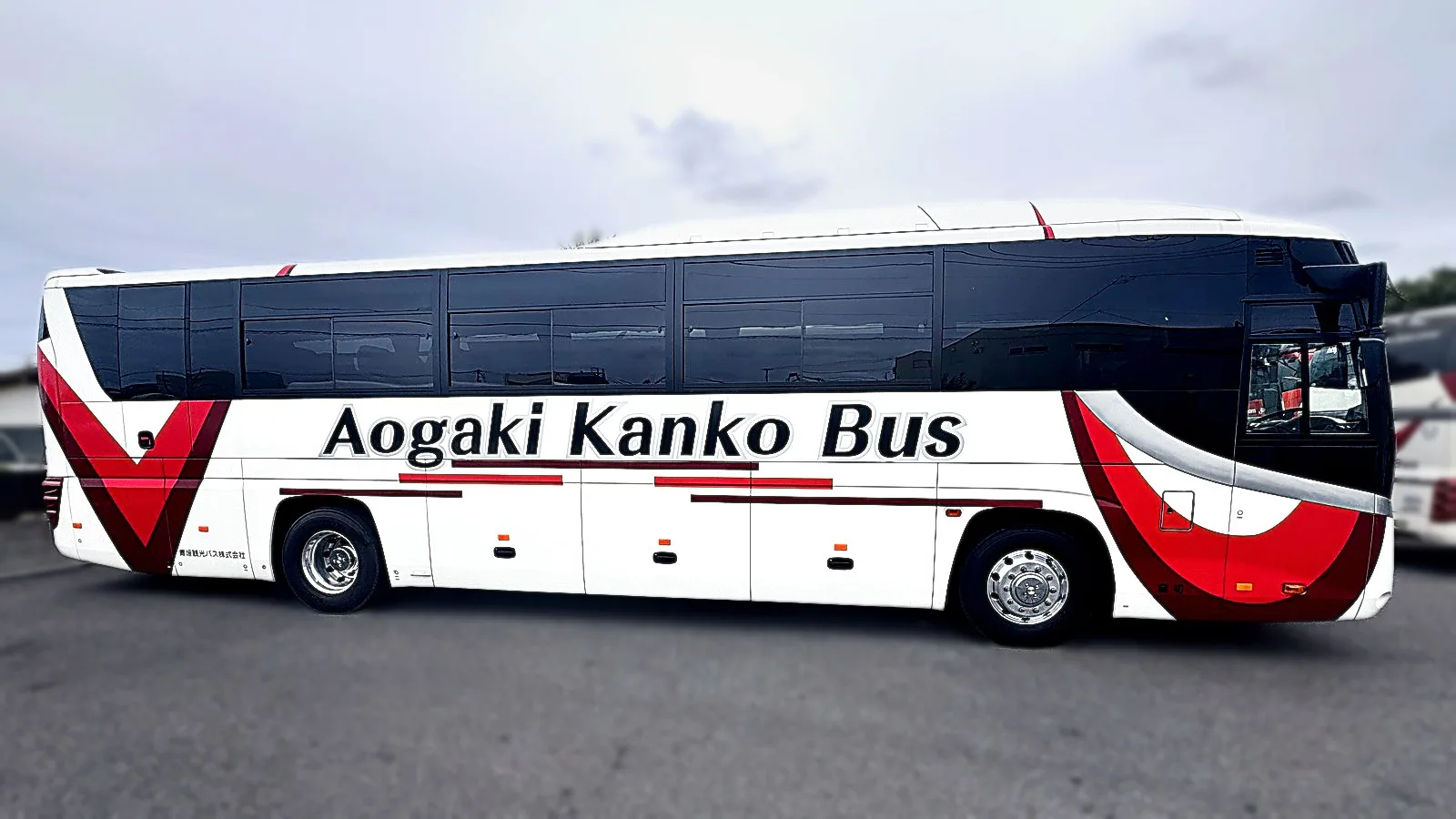
Yokohama has grown into one of Japan's busiest cruise ports, and 2026 is on track to be a busy year for ship calls. Asuka III is scheduled to call at Yokohama multiple times across the year, with repeat visits in spring, again in midsummer, and once more toward the end of the year, while new Mitsui Ocean Cruises vessels are also set to begin calling at both Yokohama and Kobe from 2026. With ships arriving on overlapping dates, demand for multilingual drivers and large buses tends to concentrate around those calls, so groups planning a shore excursion are better served by booking with some lead time rather than waiting until close to the sailing date.
Scheduling Around Departure Time: How a Private Charter Plan Builds in Buffer
Shore excursions booked directly through the cruise line are timed so that the ship waits if the official tour runs late, but that safety net does not apply to independently booked private charters, where the group is responsible for managing its own return to the gangway. For that reason, a well-planned charter itinerary builds in buffer time rather than scheduling back-to-back stops. In Yokohama, a relaxed loop might combine Chinatown with the waterfront views of Minato Mirai; in Kobe, a comfortable route could pair Nankinmachi with the greenery of Nunobiki Herb Garden. Multilingual party leaders are also commonly arranged within the industry for groups like this, making onboard communication and schedule coordination easier throughout the day. To rough out a route and timing, the free online quote simulator is a convenient starting point before finalizing a plan.
Booking, Pricing, and Cancellation Policy for Group Shore Excursion Buses
Pricing for a group shore excursion bus is calculated based on the number of passengers and the planned itinerary, so the fastest way to see a figure is to request a quote through the free quote simulator, which only takes a few minutes. Once a booking is confirmed, cancellation charges follow a simple schedule: no charge from 21 days or more before departure, 20% from 20 to 8 days before, 30% from 7 to 2 days before, 40% the day before, and 100% on the day itself.
A Japanese-speaking party leader must accompany the group on board.