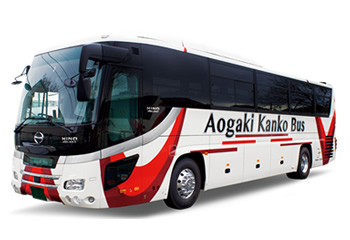
Wheelchair Accessible Bus Japan: Booking Checklist

What to Tell a Bus Operator in Japan When Booking Wheelchair Access

A few details decide whether a lift-equipped bus actually works for your trip. Before you call or email an operator in Japan, have these seven points ready:
- Wheelchair type: manual or electric
- Overall size (length, height, width)
- Weight, including the chair itself
- Whether the wheelchair folds
- Number of companions traveling with you
- Whether the pickup point has steps or a curb
- Your preferred pickup and drop-off locations
Route buses and charter buses ask for different things. A city route bus mainly needs to know your boarding stop and whether a low-floor vehicle is running that day, while a charter bus operator needs the full list above to assign the right vehicle in advance.
Tell us your route and party size.
Get a Free Quote ▶
Wheelchair Size, Weight, and Type: The Details an Operator Needs First
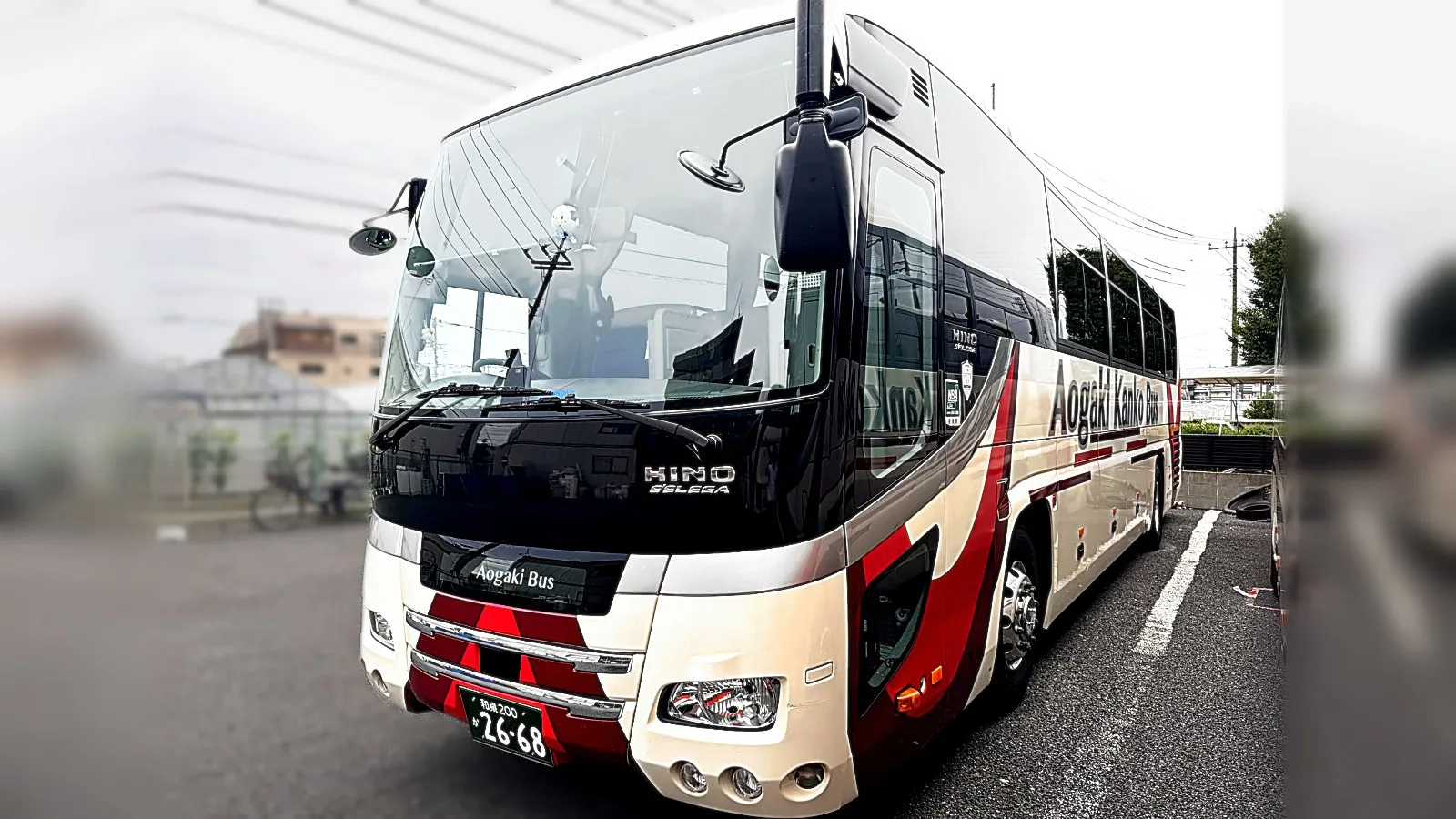
For electric wheelchairs, operators ask for weight and whether a battery is attached, since heavier chairs change how the lift and anchor points are used. Letting the operator know the battery type in advance helps avoid delays at pickup.
Whether the wheelchair folds also matters. A folding chair can sometimes be handled more flexibly, while a rigid or electric chair generally needs to stay with the passenger throughout the ride, which affects how many wheelchair spaces a bus can realistically offer on a given trip.
Charter Bus vs. Route Bus: Which Wheelchair Access You're Actually Booking
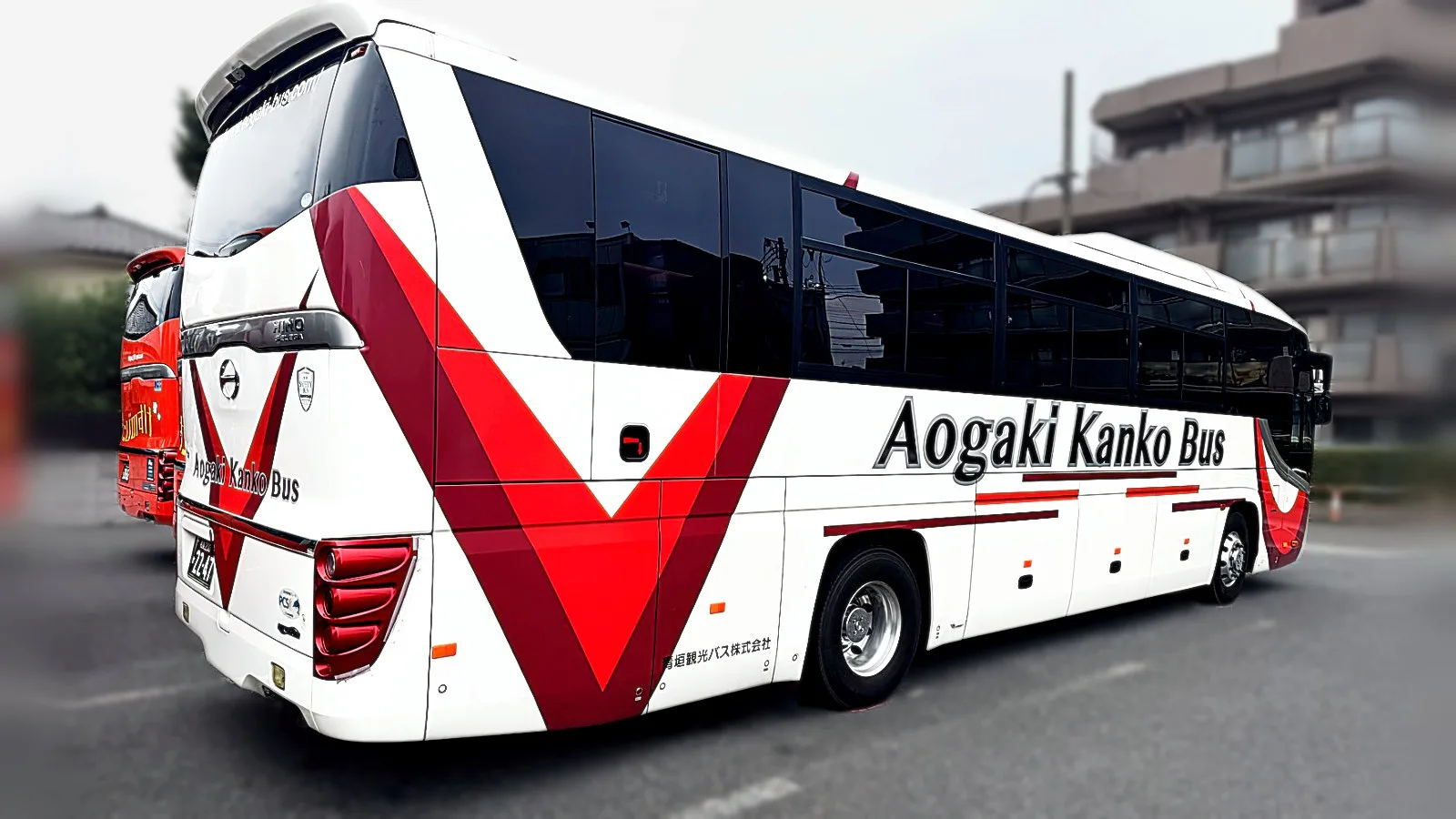
Standard low-floor city buses in Japan are built with accessibility in mind: the entrance is wide and sits low to the ground, with little or no step up, and there's usually room on board for more than one wheelchair. That makes everyday city routes fairly reliable, but you usually cannot choose which specific bus arrives, since vehicles are assigned by schedule, not by passenger request.
A charter bus works the other way around. You reserve a specific wheelchair-accessible bus (lift-equipped vehicles) for your group's dates, so the right vehicle is guaranteed before anyone leaves home. On board, the driver and crew handle the lift operation and secure the wheelchair with the bus's restraint belts; personal transfers, such as lifting a passenger out of the chair, remain the responsibility of the traveler or their companions.
How Far in Advance Should You Contact the Operator?
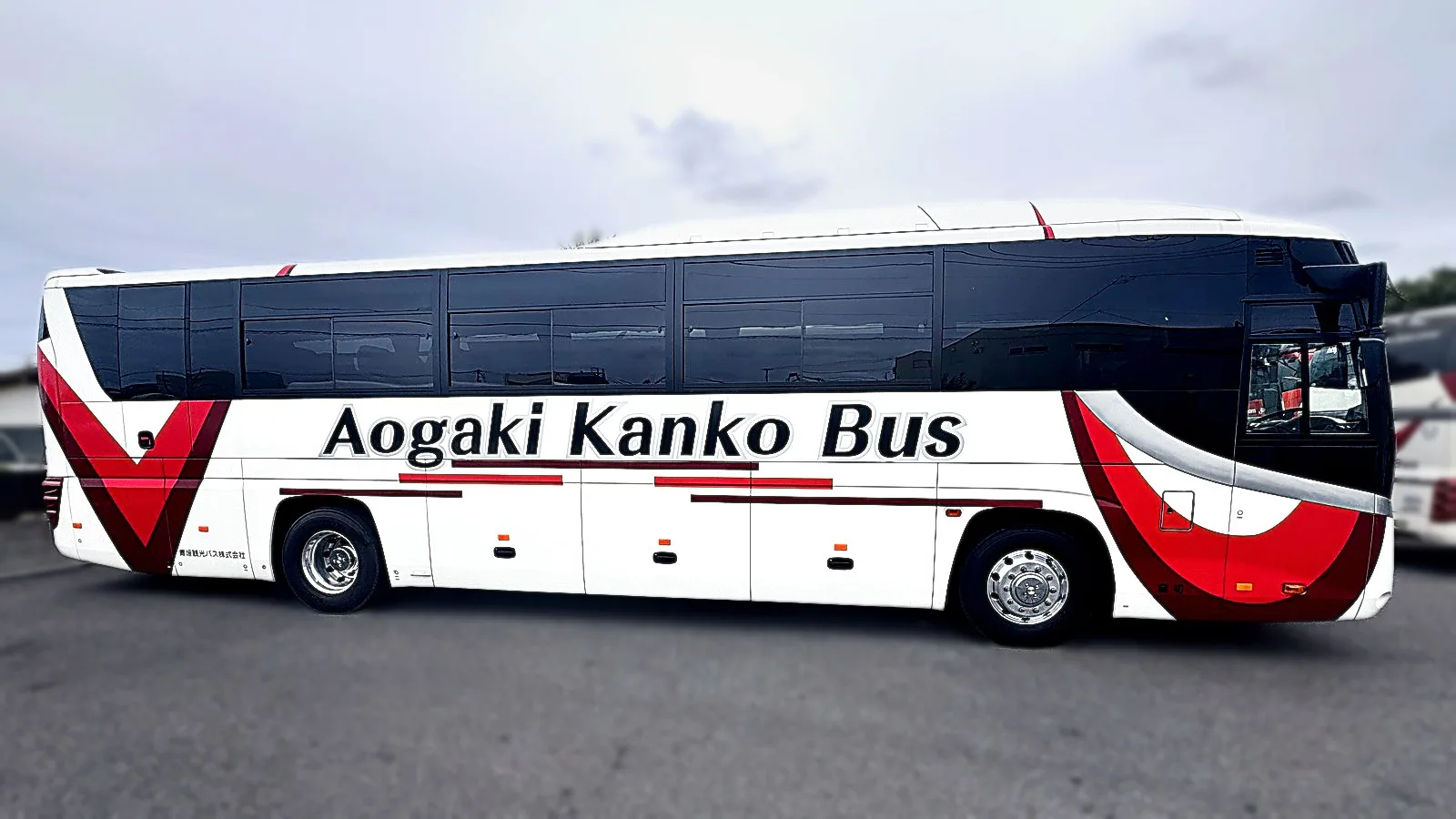
Lead time varies by service. Some airport limousine bus routes in Japan limit how many wheelchairs they can take on a single departure, and reservations for these seats can open earlier than you might expect, so it's worth checking well ahead rather than assuming a seat will be available close to travel day.
City route buses often don't require a reservation at all, but requesting a low-floor vehicle in advance still helps, since older two-step buses without a ramp can't always accommodate a wheelchair, especially if the bus is full or another wheelchair passenger has already boarded.
For a charter bus, there's no fixed deadline, but booking early matters more than people expect. On a busy autumn sightseeing weekend, lift-equipped vehicles are naturally in higher demand, so reaching out as soon as your dates are set gives the operator the best chance to confirm the right bus for your group.
Phone and Email Scripts: Exact Phrases to Use With a Japanese Bus Operator
Many Japanese bus operators still take reservations primarily by phone in Japanese, so it helps to follow up any call with a short email in English listing the same details. A simple template works well:
We would like to request a wheelchair-accessible bus. Wheelchair type: manual or electric. Size: length by height by width. Weight: in kilograms. Number of passengers: total number. Pickup location: place name. Preferred date and time: date and time.
For charter bookings, keep in mind that conversations with the driver and crew are mainly in Japanese throughout the trip, so arranging a Japanese-speaking leader within your group makes pickup and any on-the-spot communication easier. Since the vehicle is booked as a charter for your whole party, send this template once for the full group, listing the total number of passengers and wheelchair users together.
Airport Transfers and Sightseeing Routes: What to Confirm Before You Go
A lift-equipped charter bus works well for a simple route: pickup right at the Kansai Airport terminal, a transfer into Osaka for your hotel check-in, and a half-day loop to one or two sightseeing spots before heading back in the evening. It's a comfortable way to move a group without transferring between trains and platforms.
Our wheelchair-accessible vehicles are based at the Osaka and Kansai Airport locations, so this kind of airport-to-city loop is arranged for trips starting and ending in the Kansai area, with the same attention to lift placement and boarding space worked out at each stop.
Before the trip, let the operator know whether your pickup point has steps, a curb, or limited space for the bus to park, since that affects where the lift can be lowered safely. Because pricing depends on the number of passengers and the full itinerary, the best next step is simply to ask. You can Get a Free Quote once you know your group size and route, and go from there.
A Japanese-speaking party leader must accompany the group on board.