Uji Matcha Tour Bus Route Guide
There's No Direct Bus Route from Kyoto to Uji—Here's How People Actually Get There
Many travelers assume a city bus connects Kyoto Station directly to Uji, since the two feel so close on a map. In practice, no scheduled route bus runs straight between them.
- JR Nara Line: the Miyakoji Rapid service runs directly from Kyoto Station to JR Uji Station in about 17 minutes, with no transfer needed.
- Keihan Railway: requires changing trains at Chushojima, which adds time and can be confusing for anyone unfamiliar with the platforms.
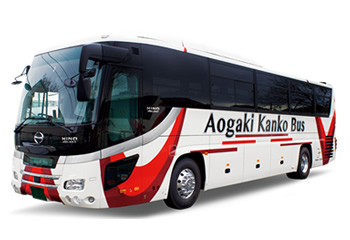
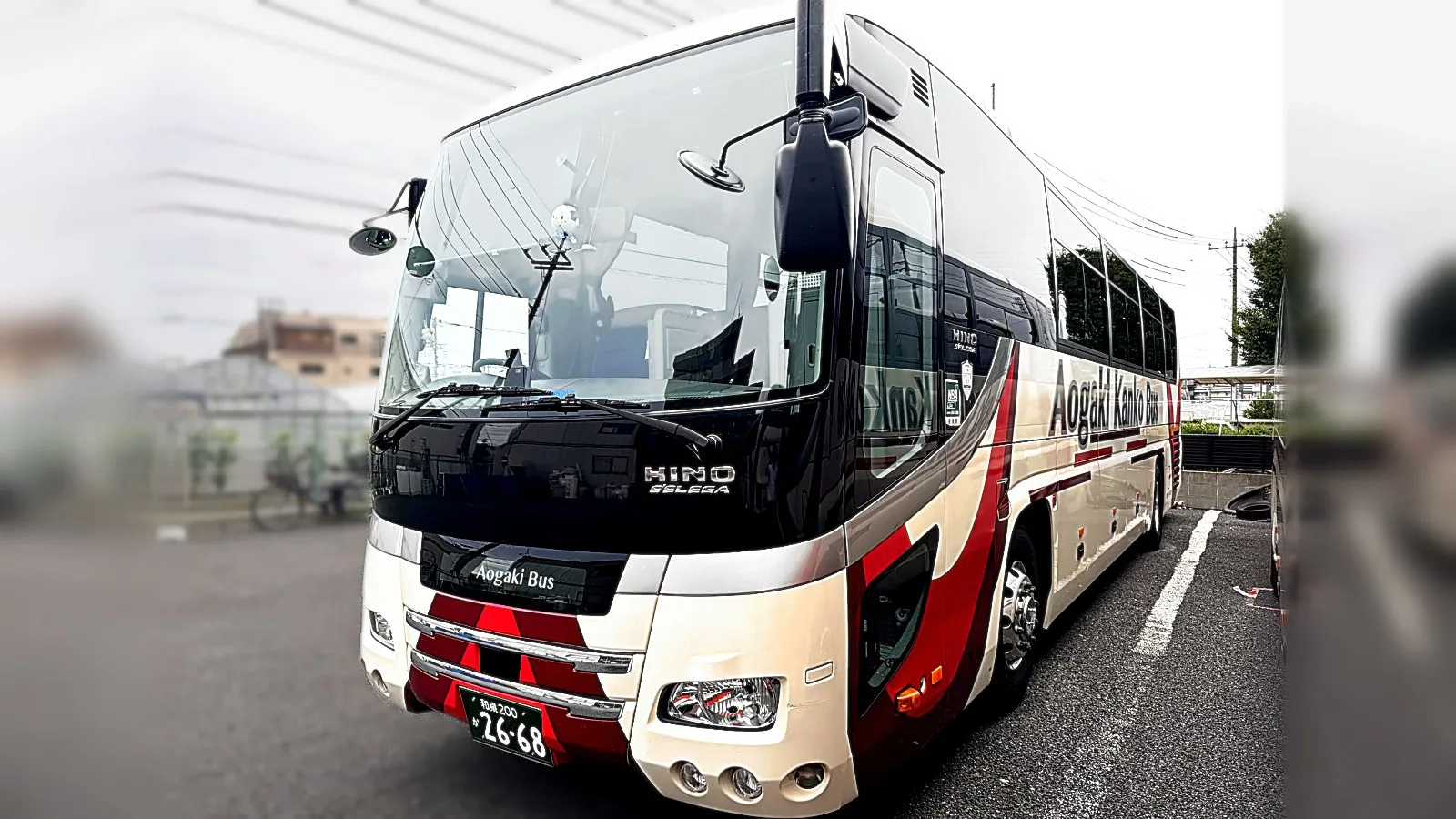
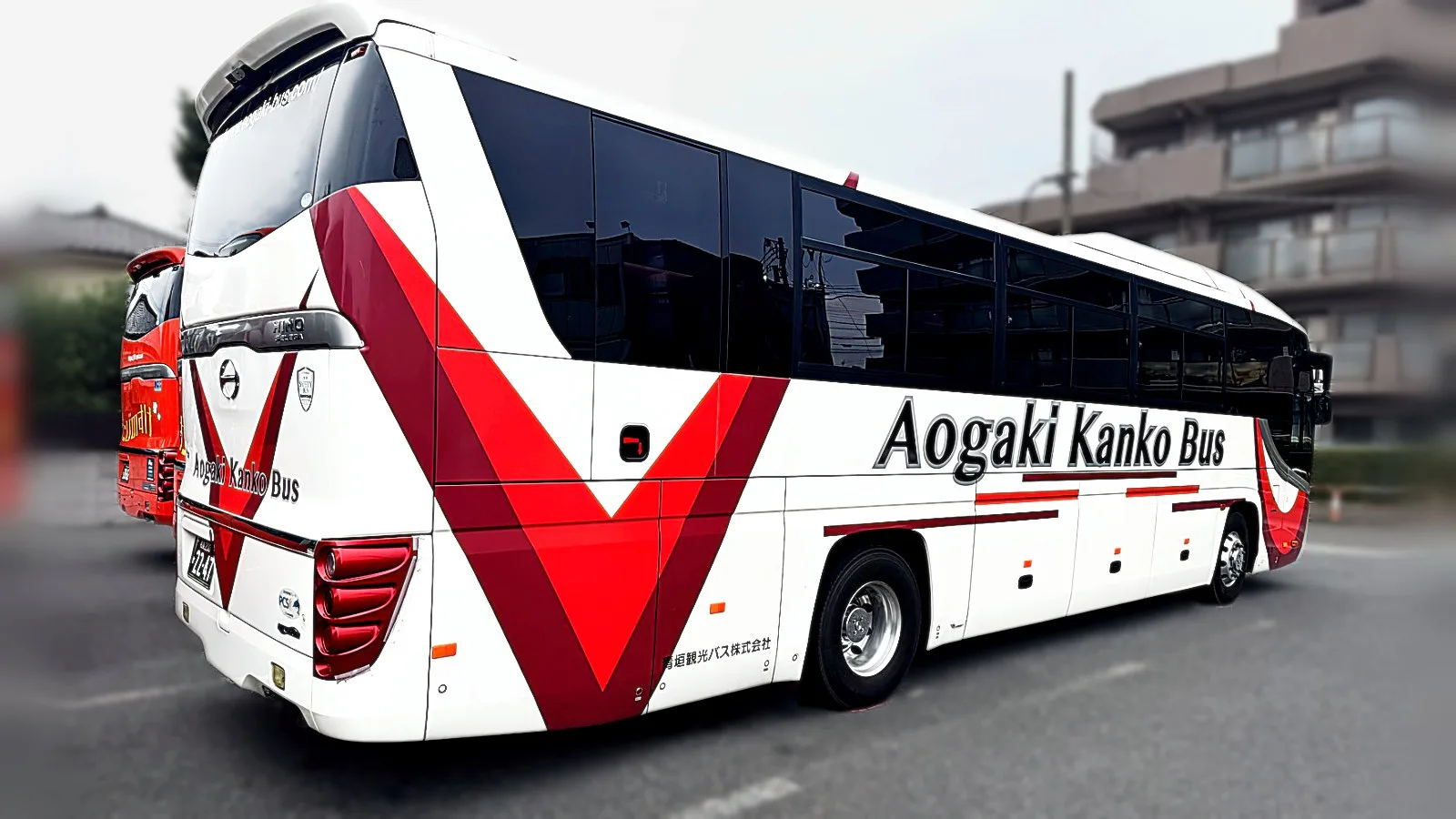
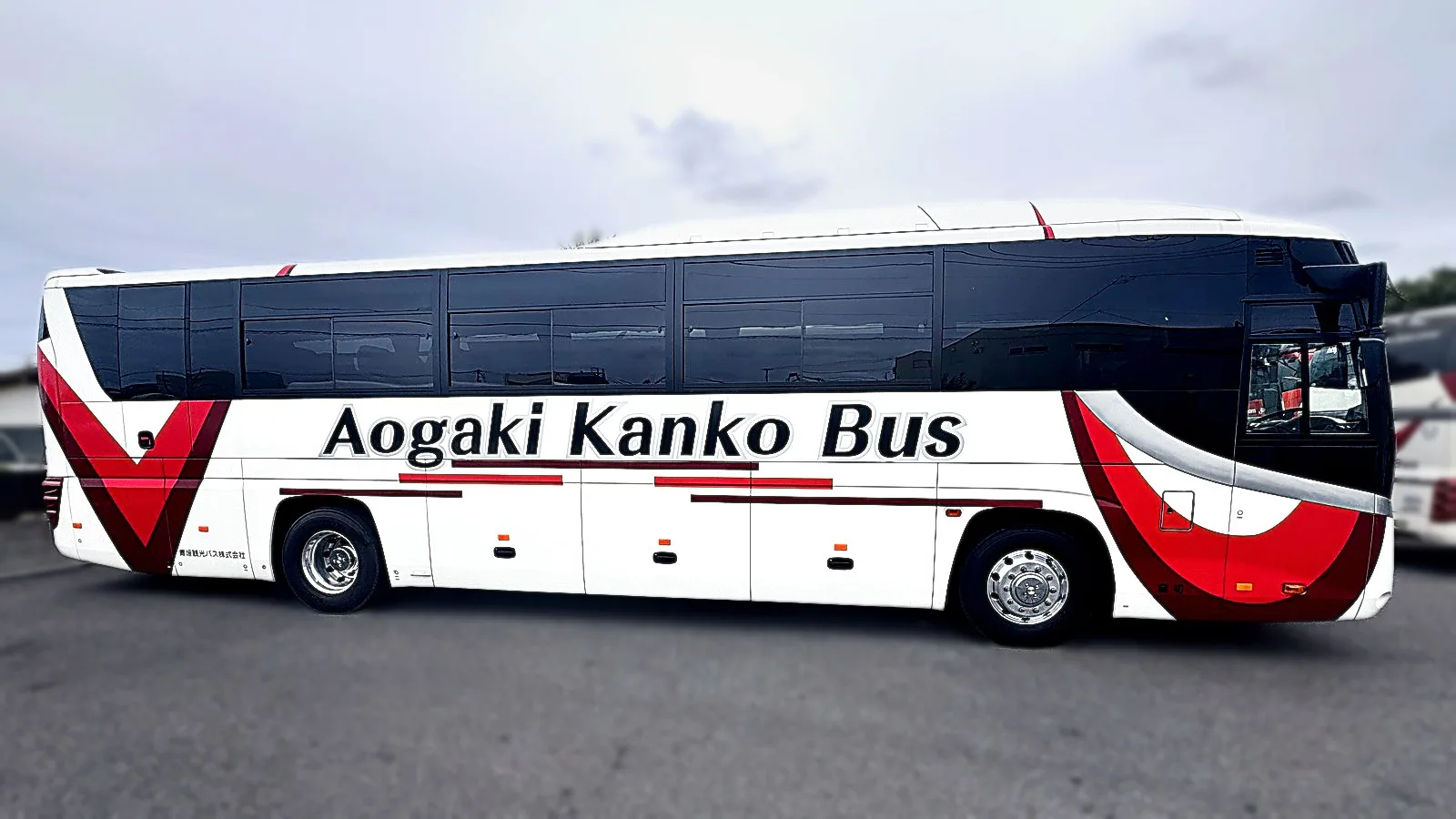
For a family or two, either train works fine. For a group, a charter bus removes the guesswork entirely—everyone boards at one pickup point and rides straight to Uji, with no transfers, no platform hunting, and no splitting up on a crowded train.
Tell us your route and party size.
Get a Free Quote ▶
JR Uji Station or Keihan Uji Station: Which One Should Your Group Meet At?
This is where first-time visitors often get tripped up. JR Uji Station and Keihan Uji Station are run by two completely different companies and sit in different spots, even though both are simply called "Uji Station." Both are roughly a 10-minute walk to Byodo-in Temple, but the walk itself is different.
- From JR Uji Station: exit on the south side, pass the western end of Uji Bridge, and arrive at the temple's main approach.
- From Keihan Uji Station: the walk actually crosses Uji Bridge itself before reaching the temple.
If a group leader tells half the group "meet at Uji Station" without specifying which one, it's easy to end up waiting at the wrong building entirely. When scouting the area ahead of a group outing, it's worth deciding on one exact entrance, noting a visible landmark nearby, and sharing that spot with everyone before the actual day.
Can a Charter Bus Park Near Byodo-in? Uji Parking's Capacity and How Drop-off Works
Byodo-in itself has no free parking for visitors, so almost everyone relying on a car or bus uses Uji Parking, a pay lot near the temple's South Gate.
- Capacity: roughly 15 to 45 buses and 75 to 200 passenger cars can fit, depending on the day.
- Posted rates: the lot's own signage lists a parking fee of around ¥3,000 for a bus staying through a visit, with a shorter pickup-and-drop-off stop running closer to ¥1,000—figures that can shift a little by season.
These are the parking lot's own posted rates, completely separate from any bus company's charter fee, so they shouldn't be confused with what a charter bus trip actually costs—that's always worked out through a free quote based on your group and itinerary. The street along Byodo-in's approach is narrow, so a large coach doesn't just pull up on a whim—the pickup and drop-off point needs to be worked into the itinerary ahead of time.
Pairing Uji Matcha with Other Sights in One Day: What a Charter Bus Can Realistically Offer
A single packaged tour that covers Uji, Fushimi Inari, and Arashiyama all in one day isn't something we were able to find on the market—travelers who want all three usually end up booking separate tours or stitching the day together by train. A charter bus works differently, because the itinerary isn't tied to someone else's timetable.
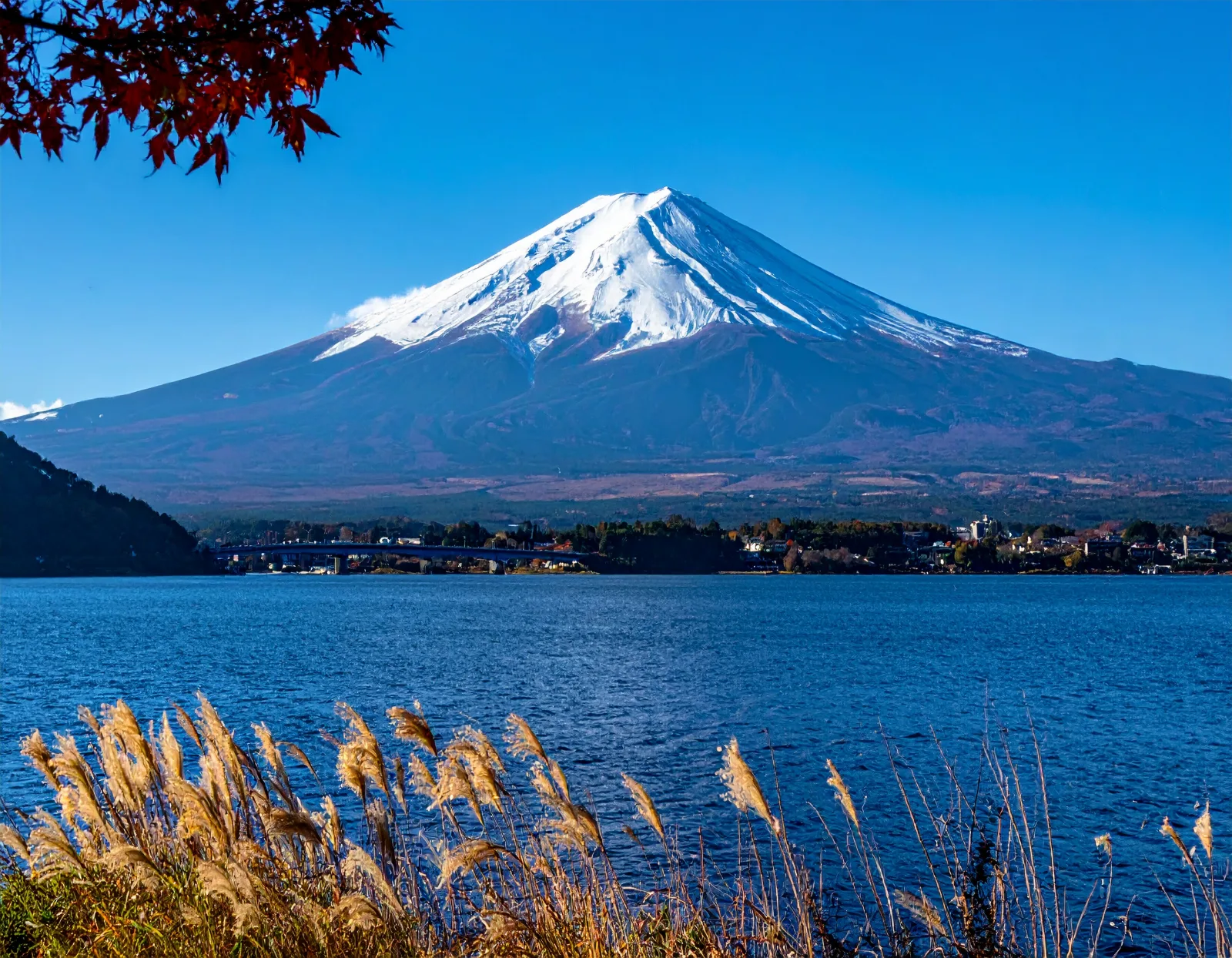
A Uji matcha tour on its own is worth giving a slow morning to. Many visitors start by walking through a tea field on the hillsides above the town, looking at how the bushes are shaded and trimmed before the leaves are picked. Some tea houses let guests try picking a few leaves by hand, then move indoors for a hands-on session—grinding roasted tea leaves on a stone mill or whisking matcha powder into a bowl with guidance from a staff member—before sitting down to taste the result alongside a small wagashi sweet.
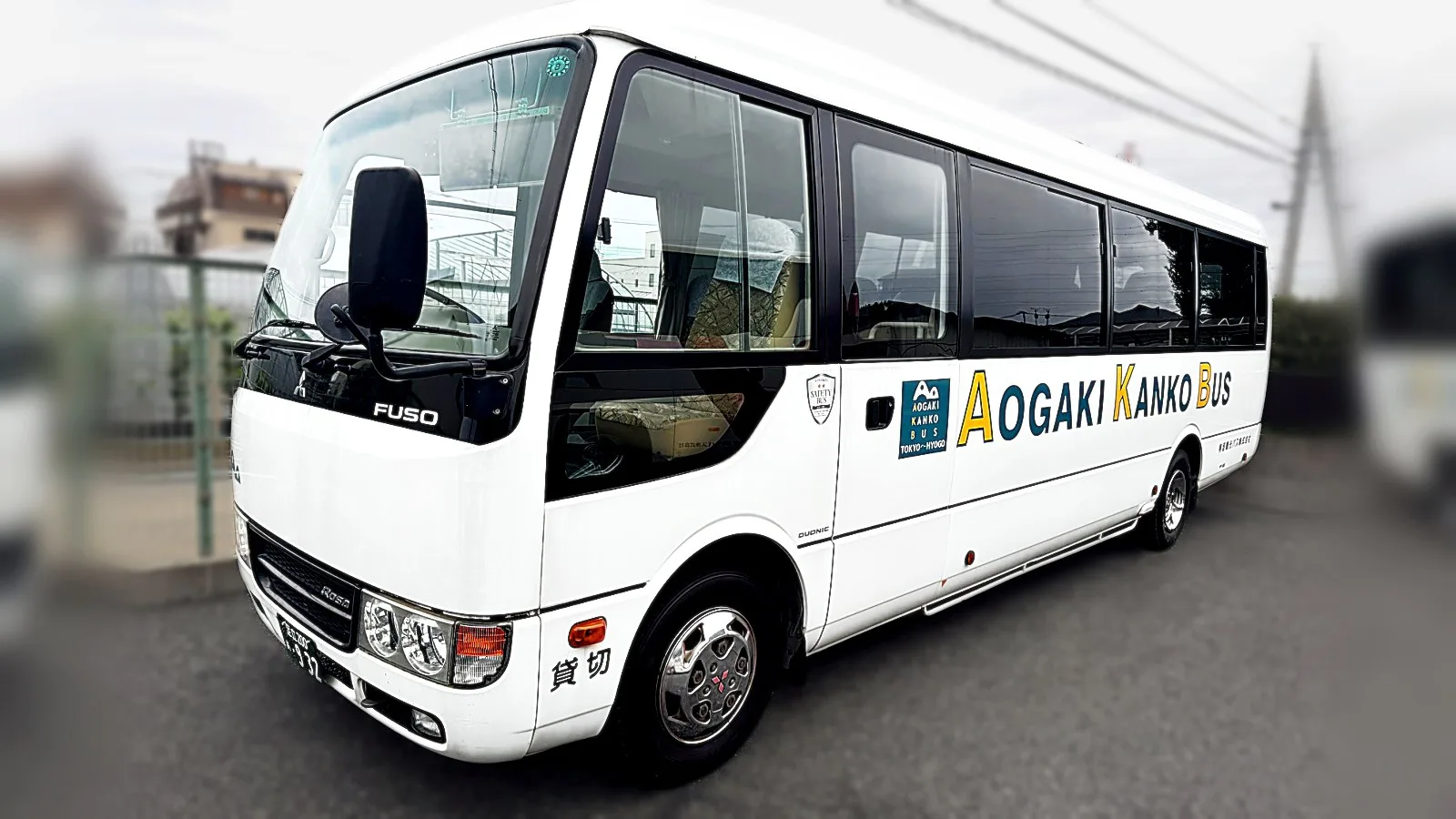
From there, a day trip could continue to Osaka Castle in the early afternoon and wind down with an evening walk through Dotonbori, all without changing trains in between. The right vehicle depends on the size of the group and how much mobility support is needed—travelers with a wheelchair user along can request a wheelchair-accessible bus (lift-equipped vehicle) rather than assuming a standard coach is the only option. Because every group's pace and interests differ, it's worth working through the stops and timing directly with us through our free quote form rather than assuming one fixed route.
Autumn Leaves in Uji: Which Hours Actually Get Crowded?
Uji's autumn colors tend to turn a little later than central Kyoto's, so the peak color window doesn't quite line up with the city's own calendar. On clear weekend days during that window, the stretch between late morning and mid-afternoon around Byodo-in and Ujigami Shrine fills up fast, so groups aiming for photos without a crowd in every shot are better off arriving earlier or later in the day.
It's also worth knowing that the area's local shuttle loop, which connects the stations, Byodo-in, and a few nearby stops, only runs on weekends and holidays for a limited stretch each year—it isn't a year-round service. A charter bus isn't tied to any of that schedule, so a weekday visit or an off-hour departure is just as easy to arrange as a weekend one. If a trip falls during a busy leaf-viewing weekend, it genuinely helps to talk through timing with us a little earlier than usual.
Booking a Uji Matcha Tour Charter Bus: How Pricing and Cancellation Work
Arranging a charter bus for a Uji matcha tour starts with three simple pieces of information: how many travelers are in the group, where the trip begins, and the itinerary—whether that's Uji on its own or combined with stops like Osaka Castle and Dotonbori. From there, we put together a quote built around that specific group and route, since pricing isn't a flat per-person rate; it changes with group size and how the day is laid out, so every trip gets its own estimate rather than a published price list.
If plans change, our cancellation terms scale with how much notice we get:
- 21 days or more before departure: no fee
- 20 to 8 days before: 20%
- 7 to 2 days before: 30%
- The day before: 40%
- Day of departure: 100%
This applies equally to groups coordinating a trip from overseas—it helps to have at least one Japanese-speaking member along, since conversation on board during the drive happens in Japanese. Whatever the group looks like, the easiest first step is sending those details through our free quote form.
Start there, and the rest of the day—tea fields in the morning, castle walls by noon, neon over Dotonbori after dark—takes care of itself.