One Big Bus or Several Minivans? How Japan Group Trips Decide

How Many People Before You Need One Large Bus Instead of Several Minivans?

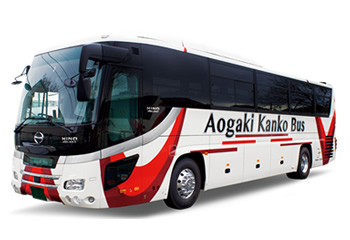
A single minivan can only carry a handful of passengers, so once your group grows past what one or two minivans can comfortably hold, you are effectively looking at three, four, or more vehicles moving together. Each additional minivan means an additional driver, and coordinating three or four separate vehicles through the same sightseeing stops, rest breaks, and hotel drop-offs is far harder than keeping everyone on board one coach. Our lineup covers a wide range of group sizes, from a microbus suited to smaller parties, up through a medium bus for a notably larger group, to a large bus built to carry the biggest party as one unit. Once a group reaches the size that would otherwise need three or more minivans, consolidating into one large bus almost always makes boarding, headcounts, and sightseeing stops smoother, since the whole group arrives and leaves together. Pricing is always quoted based on headcount and itinerary, not simply on vehicle count or distance, so it is worth asking for a comparison before assuming more vehicles means more savings.
How Does Total Cost Change When You Book Multiple Minivans?
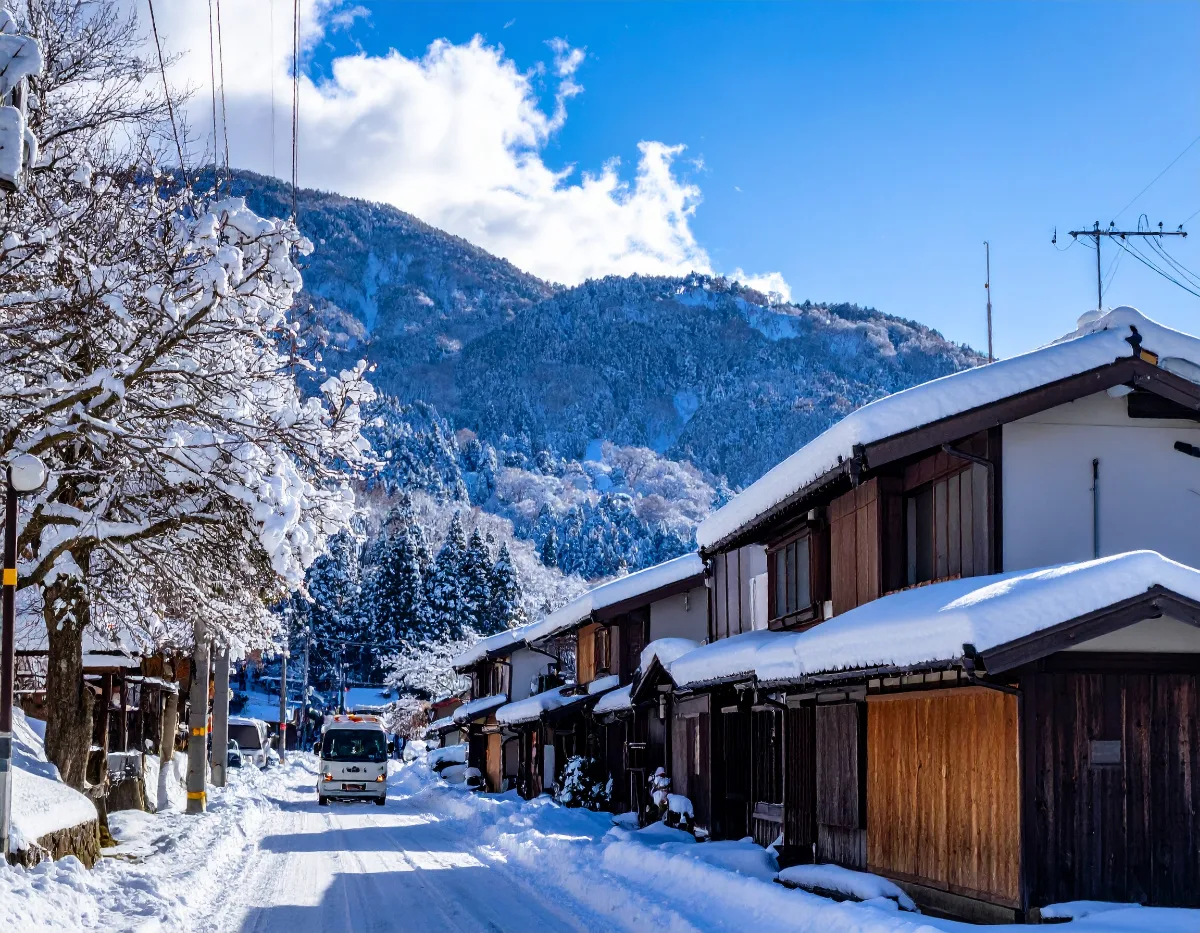
Splitting a group across several minivans usually costs more than it looks. One driver cannot operate two vehicles at once, so every extra minivan needs its own driver, and that cost does not shrink just because the group has been divided into smaller units. Highway tolls and parking fees are also charged per vehicle, not divided evenly across passengers — three minivans making the same journey as one bus will pay tolls and parking three times over.
Safety adds to this picture as well. We carefully manage each driver's working hours and rest, so schedules are planned with care rather than stretching one driver across multiple vehicles. Every driver also completes a routine check before each departure as part of standard safety practice, and with more vehicles come more drivers repeating that same check. It is also worth knowing that renting self-drive vehicles and arranging your own driver for them is not a safe substitute for a licensed charter bus — choosing a properly arranged, licensed operator simply brings more peace of mind for everyone on board.
This same multiplying effect shows up in parking and drop-off arrangements, not just in tolls and driver costs. At several of the most popular sightseeing areas, parking for a tour-sized vehicle is handled through a reservation system rather than pulling in on the spot, so each vehicle in a group needs its own slot sorted out ahead of time. For one large bus, that is a single space to confirm for the day. For three or four minivans covering the same stops, it becomes three or four separate slots to track, sometimes at slightly different arrival times if the vehicles aren't moving in a tight convoy — a small detail that adds real coordination work behind the scenes, well before anyone starts comparing driver costs or toll totals. Taken together, these factors mean that splitting a group across several minivans often raises the total cost well beyond what a simple per-head split would suggest. As always, the best way to compare is to request a quote based on your actual headcount and itinerary.
How Does Luggage Volume (Suitcases, Golf Bags, Ski Gear) Change Your Vehicle Choice?
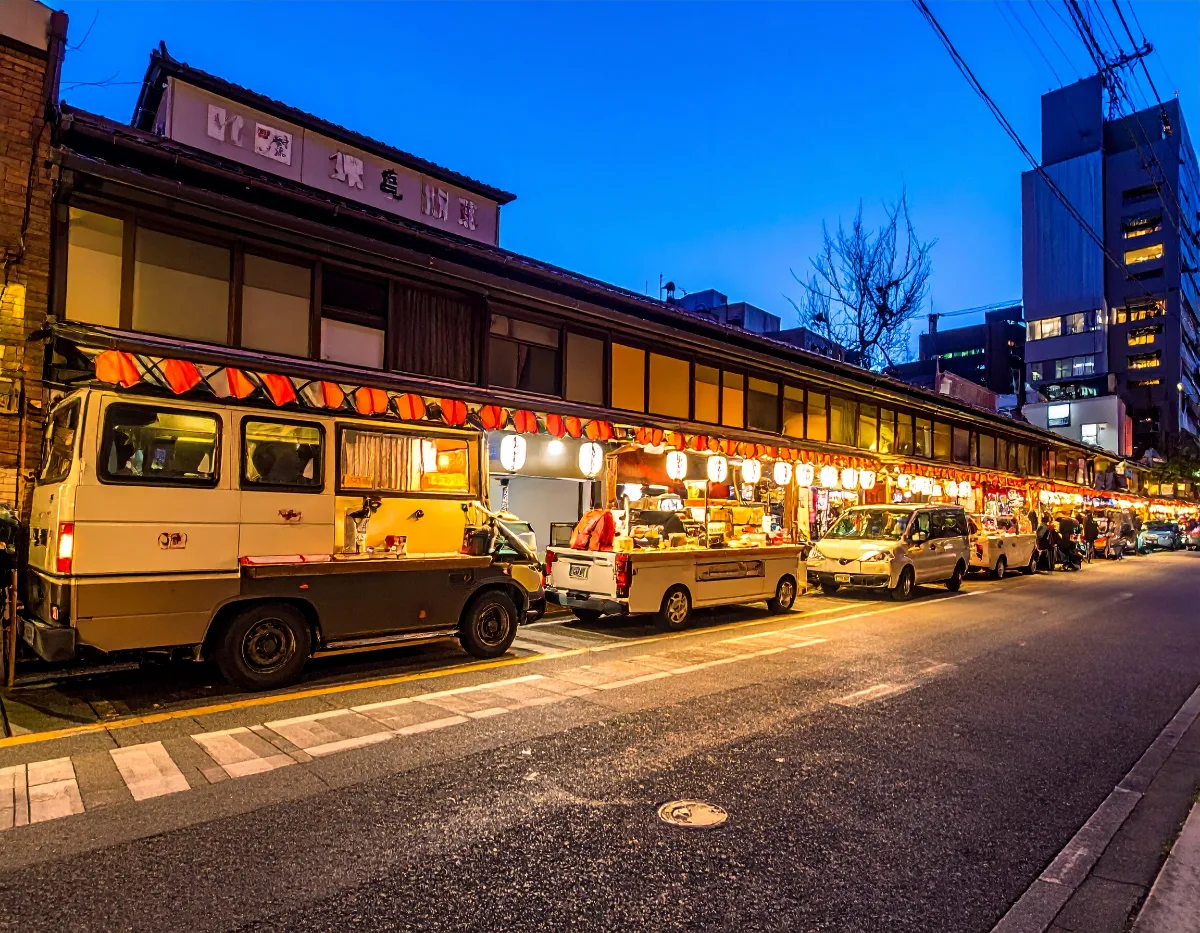
Minivans have limited trunk space, so a group with a lot of luggage — large suitcases, golf bags, or ski and snowboard equipment — often needs extra vehicles just to carry the bags, even if the passenger count alone would have fit into fewer minivans. A large bus, by contrast, has generous underfloor luggage space, which makes it far easier to keep one full set of golf bags or several oversized suitcases together with the group that owns them. Our vehicle lineup also includes a wheelchair-accessible bus (lift-equipped vehicles), so groups traveling with a member who uses a wheelchair can be accommodated without splitting the party into a separate car. As a rough model course, a golf outing for a mid-size group with full sets of clubs tends to fit comfortably into one medium or large bus rather than several minivans, while a ski trip with bulky boot bags and boards for a smaller group may work well with a microbus or two, depending on how much gear everyone is bringing. Sharing the expected luggage volume alongside headcount when requesting a quote helps us suggest the right vehicle, or combination of vehicles, from the start.
Are There Places in Kyoto and Nara Where Large Buses Cannot Go?

Yes. Some popular spots in Kyoto and Nara restrict large bus access, and this is one of the practical reasons groups choose minivans for part of a day even when traveling with a larger party overall. Around Nara Park, popular parking areas such as the lot in front of the Great Buddha Hall and the Takabatake lot operate on a reservation-only basis for tour buses. A large bus cannot simply pull in on the spot without having arranged a space in advance. The tour bus parking area at Suzaku-mon Hiroba works the same way, requiring advance booking rather than walk-in arrival.
Separately, the approach to Kiyomizu-zaka is narrow enough that large bus access and parking there is limited, and the area now operates its bus parking on a reservation basis as well. In spots like these, minivans can be noticeably more flexible — they can approach closer to the final destination or fit into a tighter drop-off point than a large bus can. Many groups use one large bus for the longer legs of the day — highway travel, airport transfers, hotel runs — and switch to minivans for the final approach into the most congested sightseeing areas, rather than trying to force one vehicle type to handle the entire itinerary.
How Do You Manage Meeting Points and Coordination When Running Multiple Vehicles?
If a group does end up running several vehicles side by side, the single most useful thing you can do is fix one meeting point and one departure time for everyone, with a group leader who can see the whole party rather than just their own vehicle. Keeping a simple line of communication between the lead vehicle and the vehicles behind it — confirming departure together and checking in at each stop — prevents the frustrating gaps where one van arrives early and waits, or another trails far behind. Because most on-the-ground communication with parking staff, toll gates, and drivers happens in Japanese, having a Japanese-speaking party leader on board lets instructions and meeting-point details pass smoothly between the vehicles and the group, whether the day runs on one large bus or a small fleet of minivans working together.
On a day with several vehicles moving together, it is often the quiet, small things that shape how everyone remembers the trip — a driver who waits a beat longer at the curb, a group leader who waves the right van forward at the right moment, a shared understanding of where to stand and when. Get those details settled before anyone pulls out of the first parking lot, and the rest of the day tends to take care of itself.