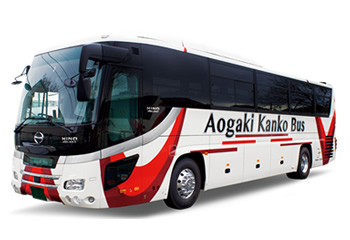
Kobe Arima Onsen Group Trip Guide: Exploring Japan's Historic Hot Spring Town
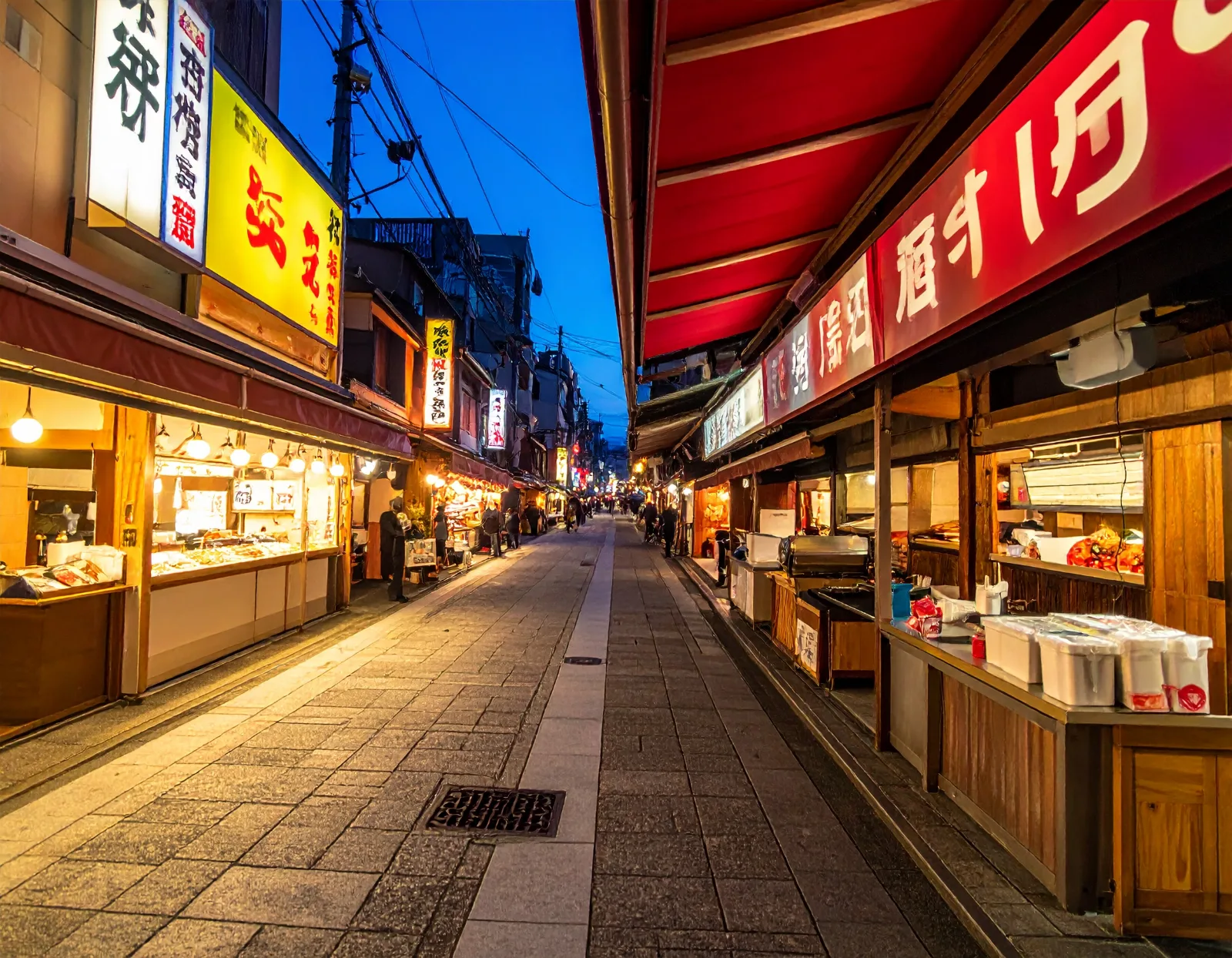
Getting From Kobe/Osaka to Arima Onsen by Group Bus: Pickup Points & Travel Time
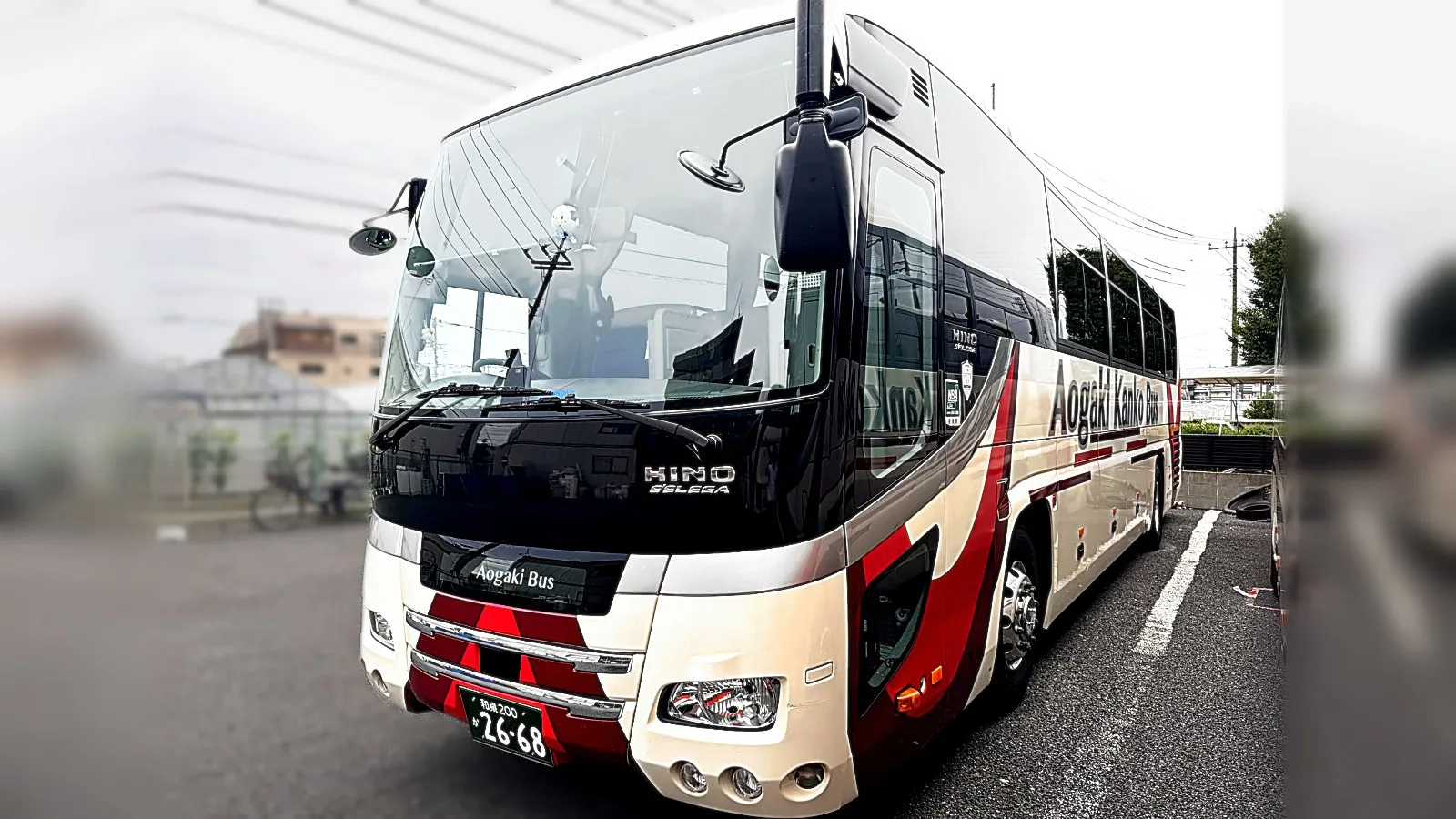
Arima Onsen sits in the hills above Kobe, reached from the Arima-guchi interchange on the Hanshin Expressway's Route 7 Kobe-Kita Line, then roughly 3km along Prefectural Route 51 into the hot spring town itself. From central Kobe, the drive takes about 25 minutes from Sannomiya Station and about 20 minutes from Shin-Kobe Station, making it an easy half-day or full-day destination for groups based in Kobe or Osaka.
Travelers arriving by local bus or train usually get off near the "Arima Onsen (Taikobashi)" stop, then walk through the old town's narrow, sloped streets to reach the baths. For a group of ten or more, that means coordinating train transfers, bus timetables, and a shared walk with luggage. A chartered bus skips all of that: everyone boards once at a single pickup point in Kobe or Osaka and rides directly into Arima Onsen without changing vehicles, which is especially convenient for groups traveling with onsen bags, souvenirs, or elderly members. Because on-board announcements and driver instructions are given in Japanese, having someone in the group who can help pass along those details tends to make boarding and stop timing go more smoothly.
Tell us your route and party size.
Get a Free Quote ▶
Group Bathing Plans at Arima Onsen: What 10+ Travelers Need to Know
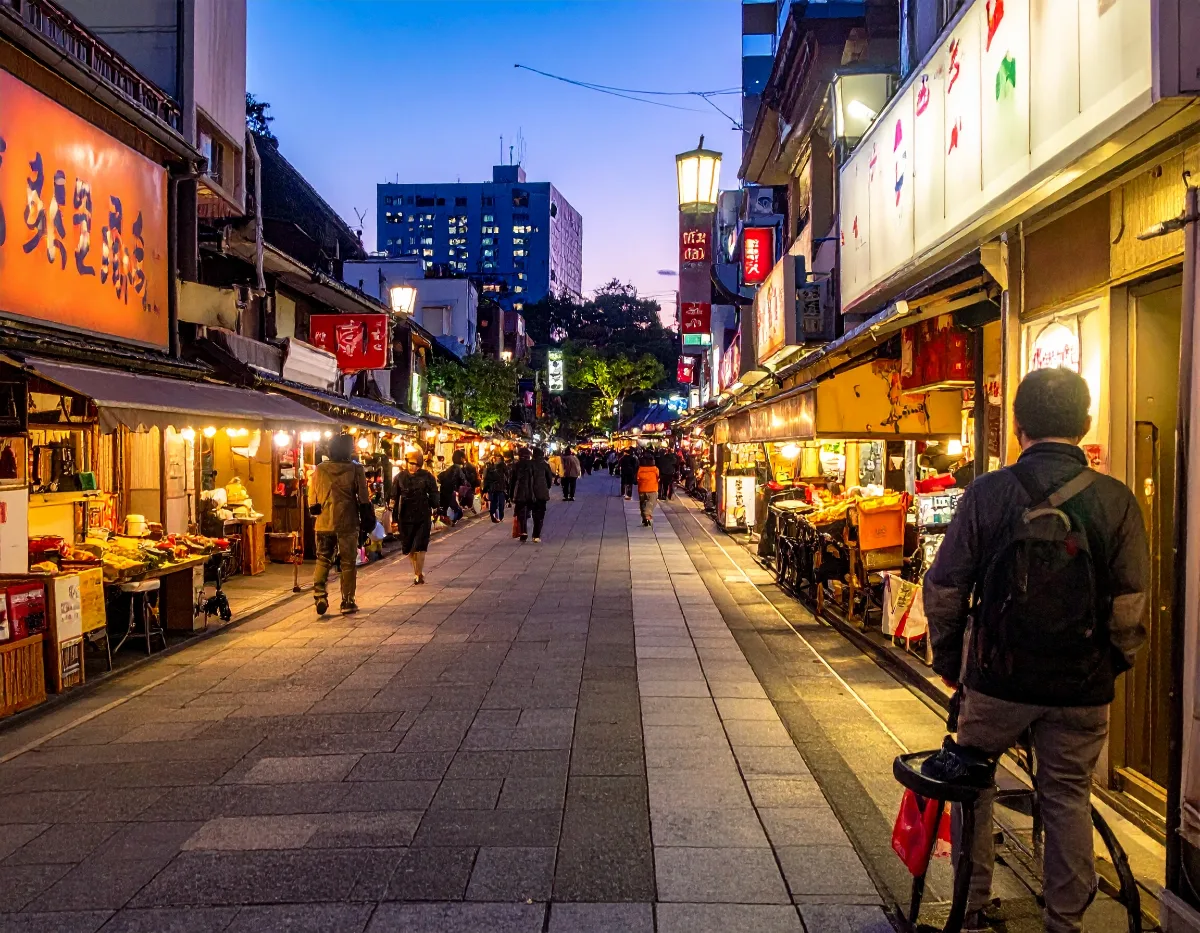
Arima Onsen's two public bathhouses, Kin-no-yu (Golden Spring) and Gin-no-yu (Silver Spring), are the most practical choice for a large group because they don't require a hotel reservation. At Kin-no-yu, admission runs ¥800 for adults (¥650 on weekdays) and ¥350 for children, with toddlers bathing free; a combined ticket covering both Kin-no-yu and Gin-no-yu costs ¥1,200. Keep in mind that the weekday discount is not applied during Golden Week, the summer holiday stretch, or the year-end and New Year holidays, so groups traveling during those busier periods should budget for the standard rate.
Some groups prefer Taiko no Yu, a larger day-spa facility with its own parking lot. It's about a 15-minute drive from the Nishinomiya-kita interchange on the Chugoku Expressway, or about 10 minutes from the Arima-guchi interchange on the Hanshin Expressway. However, Taiko no Yu requires a direct inquiry before bringing a large bus, since acceptance of large vehicles and the number of buses it can handle depend on the day's bookings. Group organizers should confirm bus access with the facility itself well before the trip rather than assuming a large bus can simply pull in.
Combining Arima Onsen With Himeji Castle, Mt. Rokko or Takarazuka
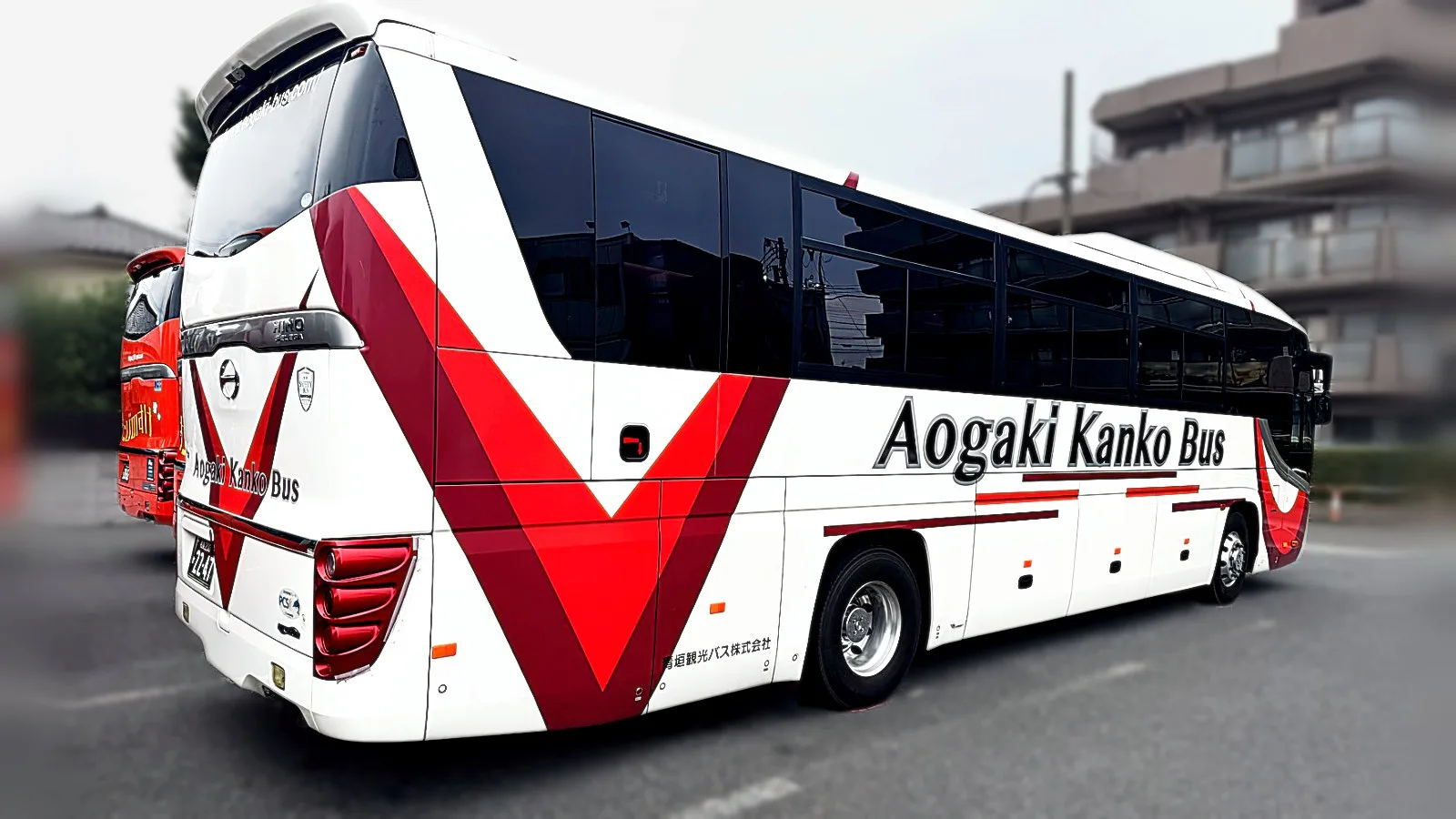
Arima Onsen pairs naturally with other Kansai landmarks for a full day trip. Because Takarazuka connects to Arima Onsen by local bus via the Arima Onsen (Taikobashi) stop, a chartered route starting or ending in Takarazuka is easy to arrange, and the same logic applies to routes linking Kobe's Mt. Rokko area or Himeji Castle further west. With a private bus, the order of stops and the balance between sightseeing time and bath time can be built around your group rather than a fixed public-transport timetable.
One model course we often propose for a group starting in Osaka or Kobe: visit Himeji Castle in the morning, move on to the Mt. Rokko area for lunch and a scenic break, then spend the late afternoon and early evening soaking at Arima Onsen before heading back. Depending on your group's pace and how long you want at each stop, the day can also run shorter, as a half-day loop focused on just Arima Onsen and a single landmark. Share your group size and preferred stops with us, and we'll help shape the timing so the itinerary fits comfortably in the time you have. You can get a free quote once you have a rough headcount and route in mind.
Visiting Arima Onsen During Autumn Foliage, Golden Week or Year-End: What Changes for Group Buses
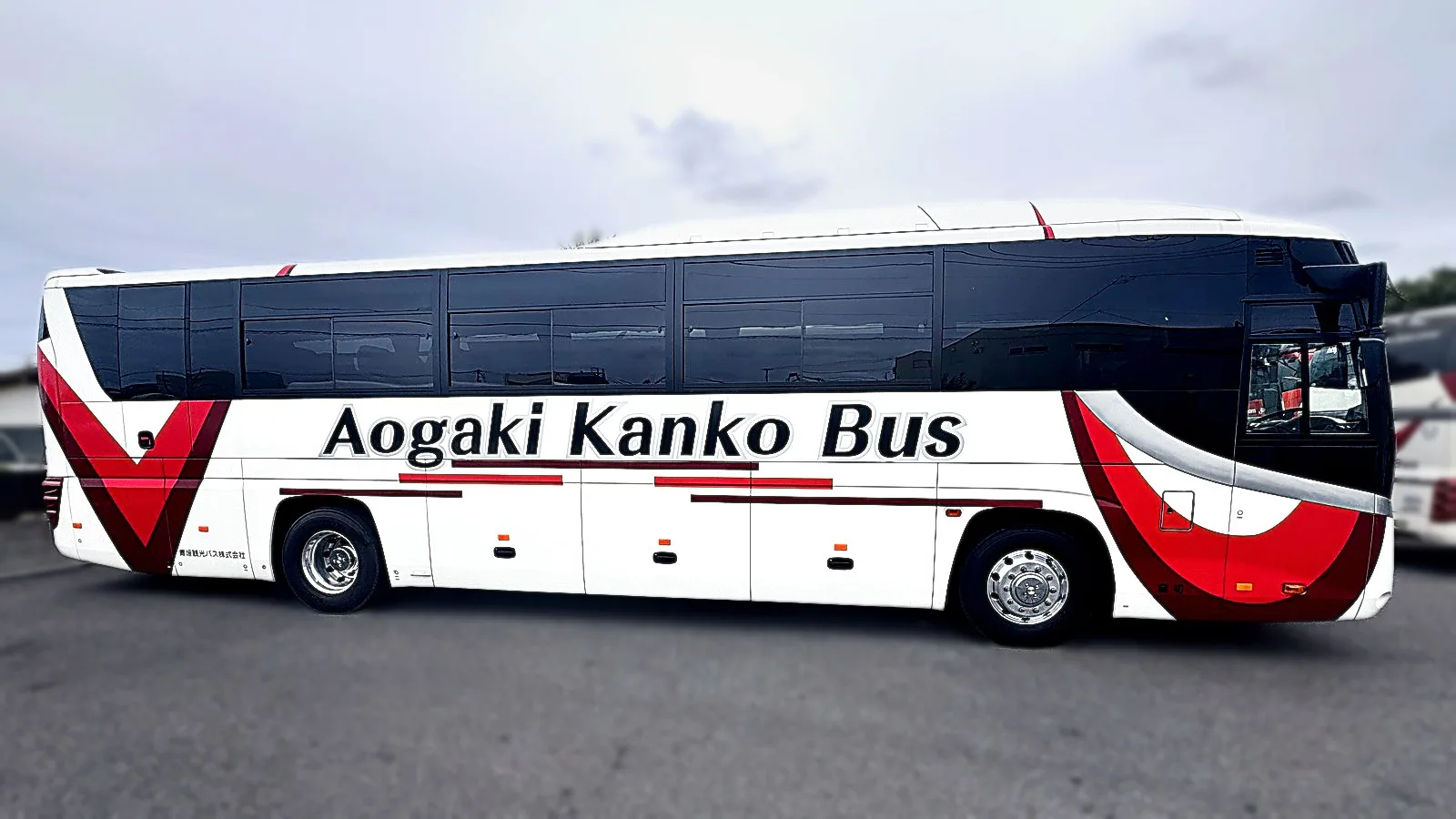
Autumn foliage at Arima Onsen typically peaks on a weekend or holiday in the heart of the season, when roads into the town become heavily congested. During the daytime hours, roughly between 10:00 a.m. and 5:00 p.m. and especially from 1:00 p.m. to 5:00 p.m., crossing from one end of the hot spring town to the other can take one to two hours by road. Within the foliage period, the area around Zuihoji Park is also placed under traffic restrictions from 9:00 a.m. to 5:00 p.m., which further changes how vehicles move through town.
Parking near Arima Onsen Station also fills up quickly during the foliage season, which is why public transportation is generally recommended for independent visitors at that time. For a chartered group bus, this means the pickup and drop-off point, as well as any waiting location for the driver, should be worked out with your bus operator before the trip. It's worth discussing the likely road conditions with your bus operator ahead of time and building some extra time into a foliage-season itinerary rather than a tightly packed schedule.
How Many Buses and Seats Does Your Group Need?
For a group heading to Arima Onsen, the right bus size comes down to headcount and how much luggage or onsen gear everyone is bringing. Smaller groups generally travel comfortably on a microbus, while larger parties move up to a mid-size or large bus, and the best fit depends on your exact numbers rather than a fixed cutoff. If anyone in your group uses a wheelchair, a wheelchair-accessible bus (lift-equipped vehicles) can be arranged instead, with lift access and dedicated wheelchair spaces built into the vehicle.
When a group is large enough to need two or more buses, we try to plan the dispatch so the vehicles stay in step with each other rather than leaving one group waiting at the baths while the other is still boarding. That can mean staggering pickup times by a few minutes so both buses arrive at Arima Onsen close together, or giving each bus its own drop-off point and meeting spot in the old town so a large party doesn't bottleneck on the narrow, sloped streets. Because seating layout, luggage space, and the number of vehicles needed all shift depending on your itinerary, it's worth reaching out early rather than waiting until close to your travel date. Share your headcount and rough route, including any Himeji Castle, Mt. Rokko, or Takarazuka stops, and get a free quote so we can suggest the right vehicle size and number of buses for the day.
On-Board Tips for Group Trips to Arima Onsen
On the day of your trip, the driver will typically suggest rest stop timing based on the route and how far the group is traveling, so there's no need to plan toilet or snack breaks in advance. Drivers and crew also keep an eye on boarding and disembarking, especially on the narrow, sloped streets near the hot spring town, and will guide the group through each stop. These small checks are simply for everyone's safety and comfort along the way.
During busier travel periods like the autumn foliage season, it helps to plan the day's schedule with some breathing room rather than a tight, back-to-back itinerary, since road conditions around Arima Onsen can shift the time needed between stops. With a bit of flexibility built in, a group trip to this old hot spring town above Kobe tends to feel relaxed from the first stop to the last.
A Japanese-speaking party leader must accompany the group on board.