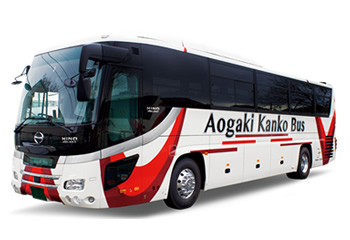
How Many Wheelchairs Fit on a Lift-Equipped Charter Bus in Japan?
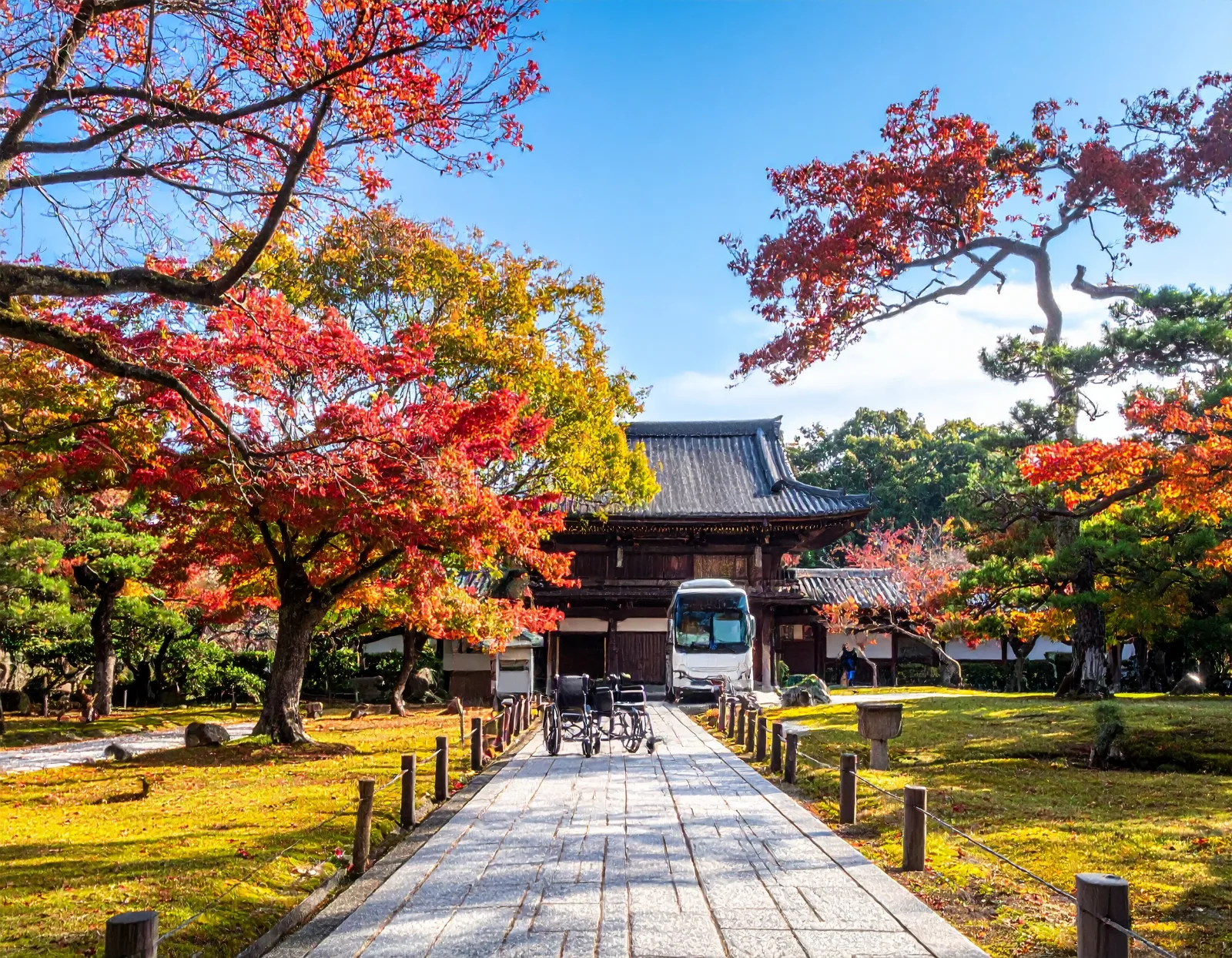
How Many Wheelchairs Fit on a Charter Bus in Japan?
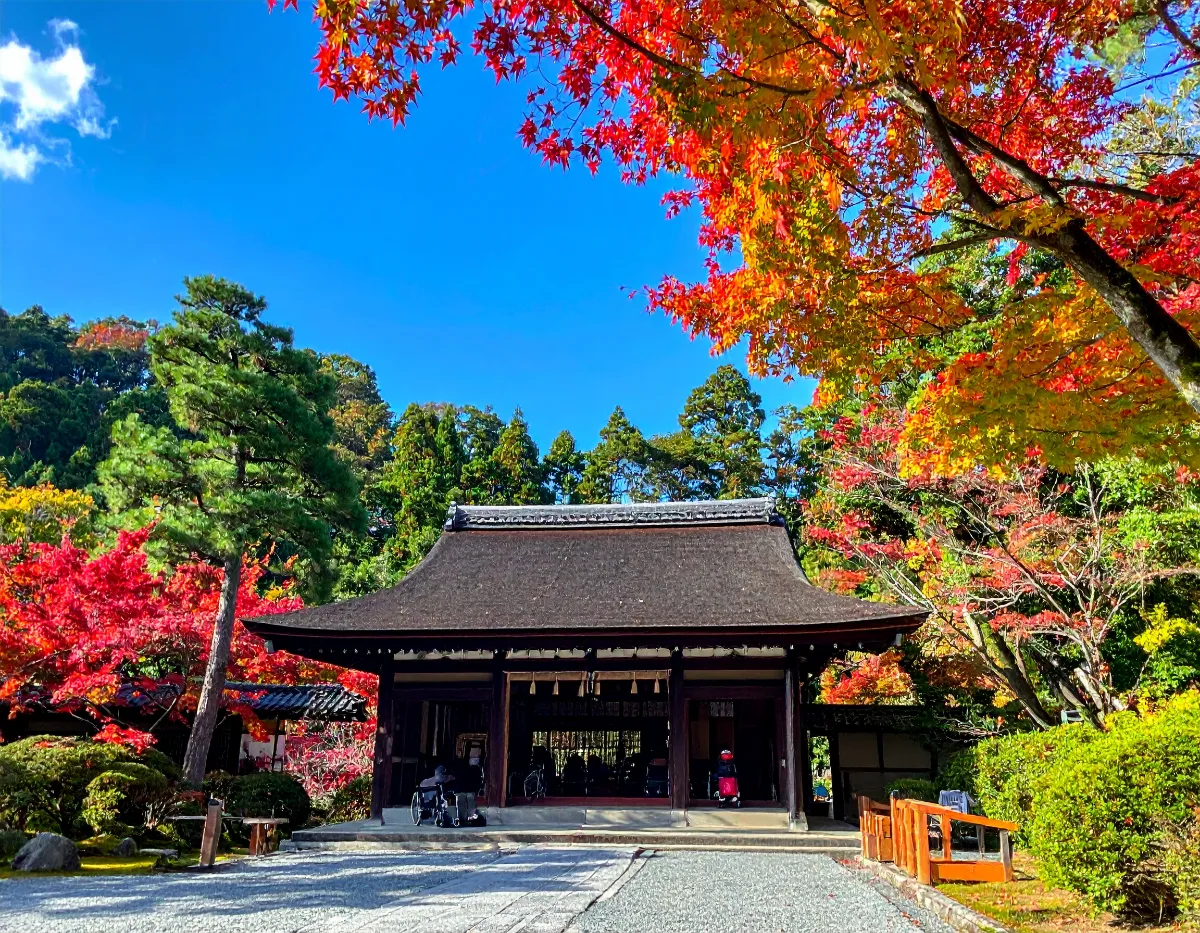
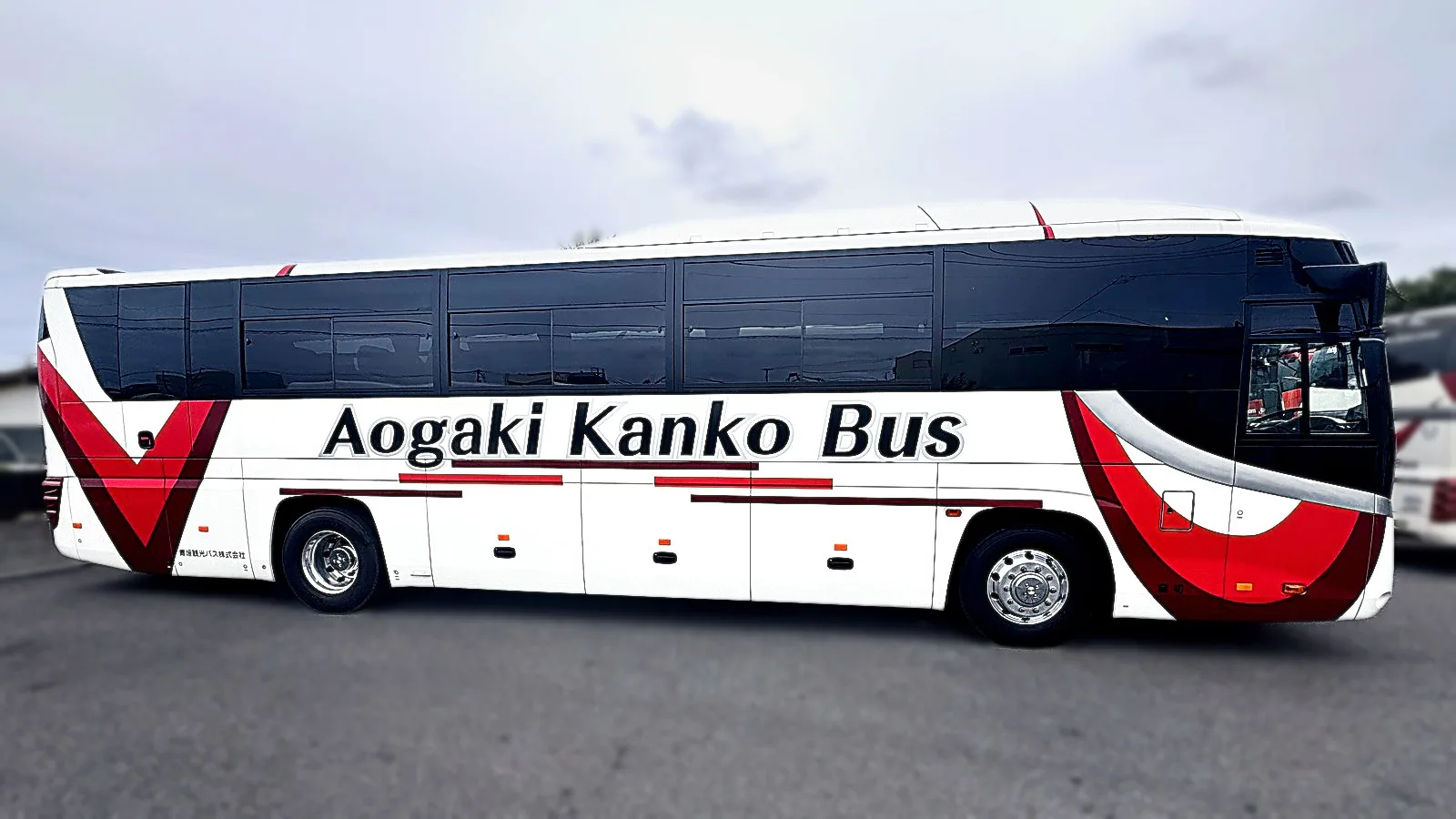
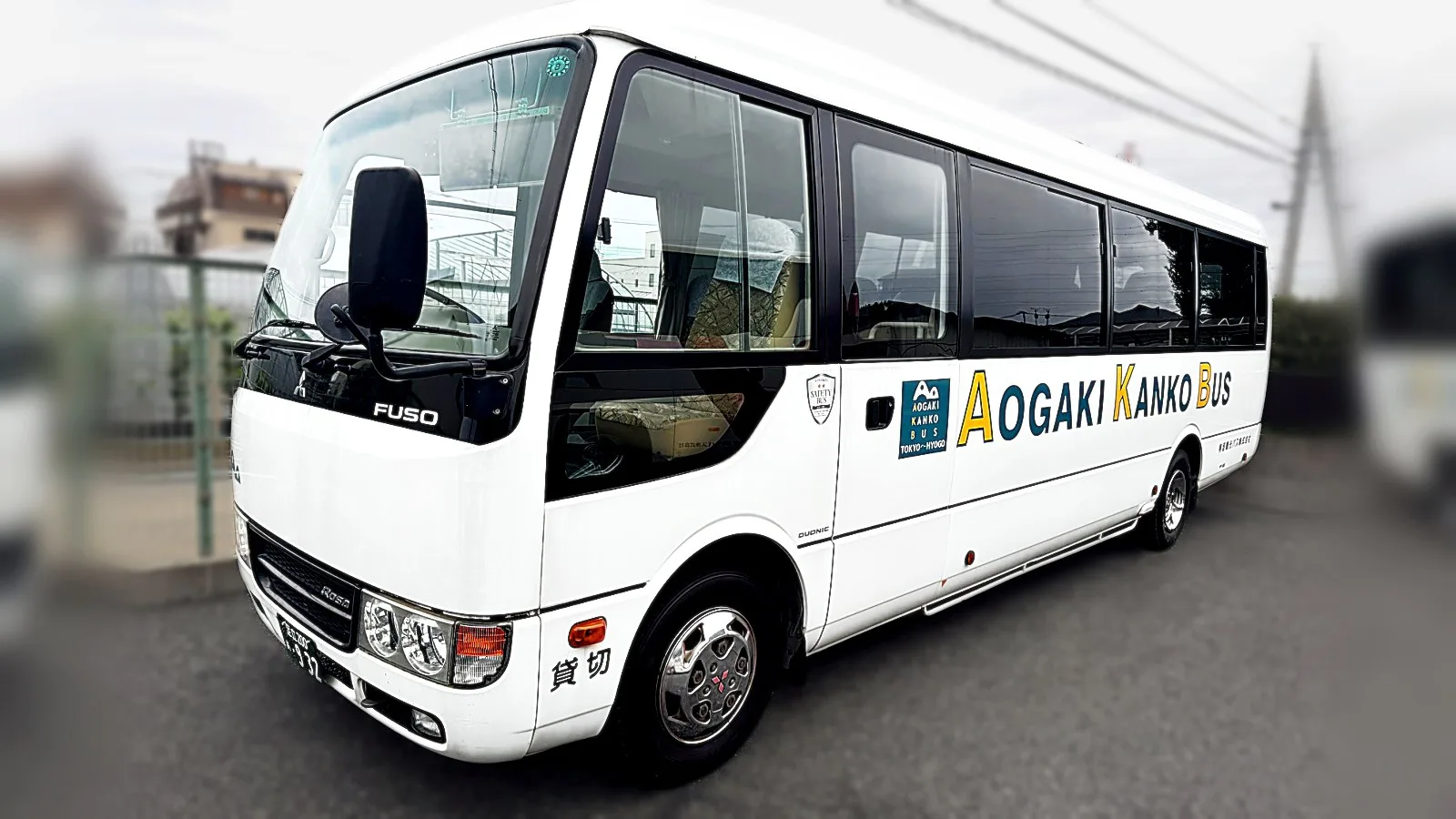
When you're organizing group travel in Japan and some of your travelers use wheelchairs, the first practical question is simple: how many wheelchairs can actually ride on one charter bus? The honest answer still depends on the vehicle, since our lift-equipped large buses and lift-equipped microbuses are each fitted out a little differently, so the number of wheelchair stations on board isn't the same from bus to bus. As a general guide, our lift-equipped large buses can be configured to carry anywhere from one to six wheelchairs, while our lift-equipped microbuses offer a smaller-scale option for more compact groups; the exact number of wheelchair spaces and regular seats is adjusted vehicle by vehicle. These accessible buses are based at our Osaka and Kansai Airport offices, so a lift-equipped charter with us departs from the Kansai region rather than from Tokyo. Rather than guess at a single figure for your own trip, the most reliable way to confirm how many a specific vehicle can hold is to tell us your group size and let us match you to the right bus when you request a quote.
Fitting more wheelchairs on board does mean fewer fixed passenger seats, since each wheelchair space takes the place of regular seating — it's a direct trade-off between accessible capacity and total headcount, so it's worth deciding that balance before you book. If a traveler can transfer into a standard seat, their folding wheelchair can often be stowed separately as luggage, which frees up a full wheelchair station for someone else in the group.
It also helps to know that, based on national tallies of Japan's bus fleet, buses fitted with lifts or ramps still make up only a part of the overall charter bus and sightseeing bus fleet rather than the majority. We won't put a precise number on that share here, since it shifts as operators update their vehicles over time, but the practical point stands: demand for wheelchair-accessible charter buses can run tighter than for a standard sightseeing bus. That's a good reason to reach out and reserve early, well ahead of your travel dates in Japan, rather than waiting until the last minute.
Tell us your route and party size.
Get a Free Quote ▶
What Makes a Wheelchair-Accessible Charter Bus in Japan Different?
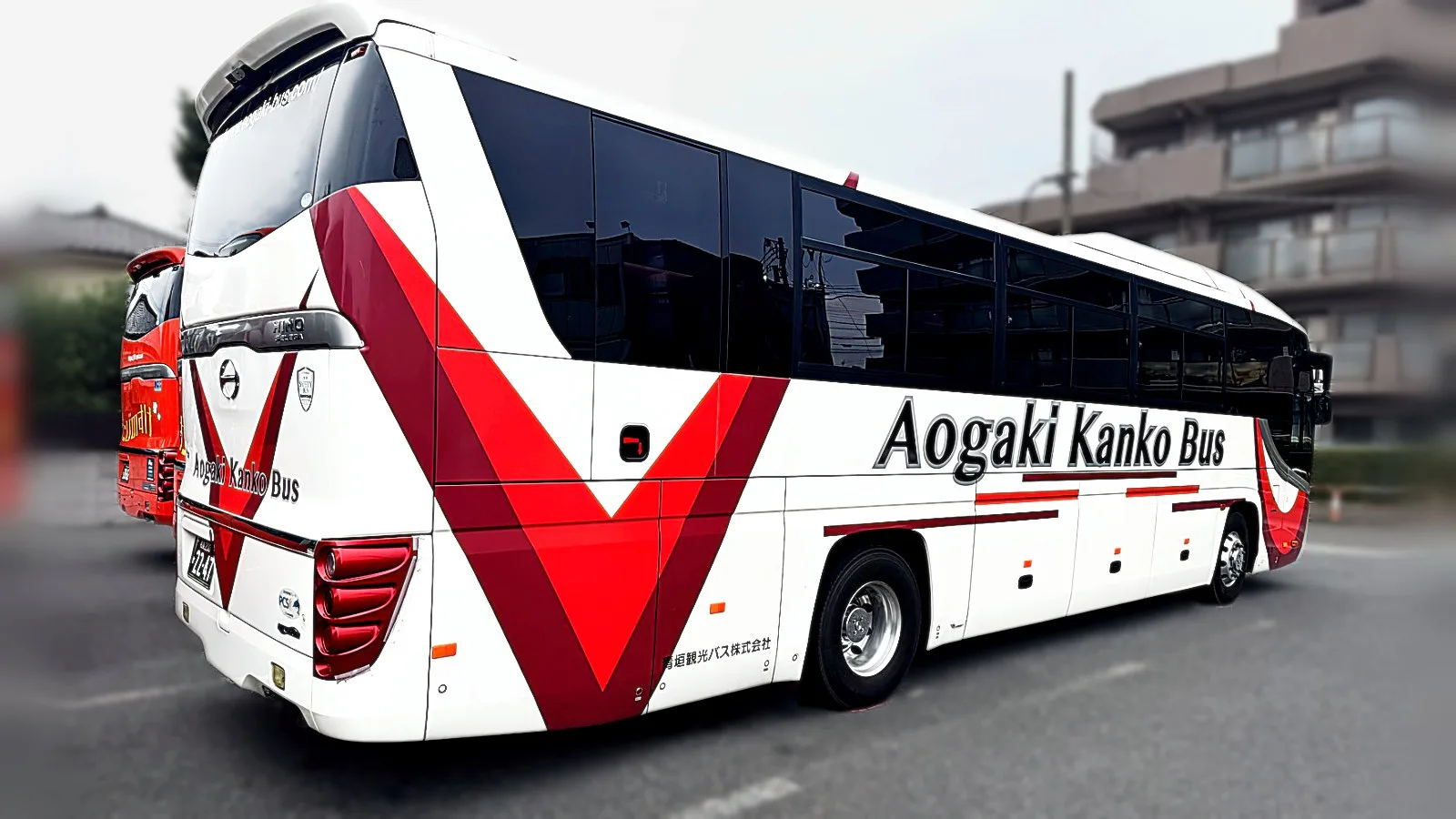
A standard sightseeing bus is boarded through a front step, which works fine for most travelers but isn't practical for wheelchair users. A wheelchair-accessible bus (lift-equipped vehicles) instead uses a mid-cabin door fitted with a lift or a ramp, so a wheelchair can roll straight on and off at ground level instead of climbing steps. Once on board, the wheelchair is locked into place with onboard securing straps, the same way a seatbelt keeps a seated passenger safe, so the whole group can travel comfortably even on winding mountain or coastal roads. Aside from the boarding method and the fixed wheelchair stations, these buses offer the same kind of onboard comfort as our standard large, medium, and micro buses, including karaoke and CD/DVD players for a lively ride.
How Many Wheelchair-Accessible Charter Buses Should You Book for a Group in Japan?
The right number of vehicles depends on how many wheelchair users are traveling together. For a single wheelchair user, one lift-equipped microbus or large bus is usually enough, with the rest of the group riding alongside in the same vehicle. For two or three wheelchair users, we typically suggest one lift-equipped large bus configured for multiple wheelchair stations, sometimes paired with a standard escort bus if the whole party is large. For four or more wheelchair users, splitting the group across two lift-equipped vehicles — or one lift-equipped bus plus a second accessible vehicle — tends to work better than squeezing everyone into a single bus. As an example itinerary idea, picture a relaxed day trip departing from Osaka or Kansai Airport: a morning visit to the Osaka Castle grounds, a leisurely bay-area aquarium stop after lunch, and an early-evening return — the kind of loop that keeps boarding and unboarding to just a couple of stops. If a loop like that fits your group, Get a Free Quote and we can work out exact timings together. Whenever multiple vehicles are involved, we're also happy to talk through how to seat caregivers and companions so everyone traveling together stays close.
How Long Does Boarding a Wheelchair-Accessible Charter Bus Take?
Boarding time is one of the most useful things to plan around, since it directly affects how tightly you can pack a day's itinerary. As reference only, trials of newer wheelchair-securing systems on fixed-route buses have shown a clear improvement in speed. Locking a chair safely in place used to take more than five minutes with older equipment, and in these trials the same step was completed in under a minute once the chair was positioned. That kind of figure comes from a specific test setup rather than a guaranteed time for every bus and every passenger, so it's best read as a sense of how far the equipment has come rather than a fixed number to expect for your own trip.
In practice, our driver's routine is straightforward: lower the ramp or lift, guide the wheelchair aboard, lock it into its station, then depart, with the actual time depending on the chair and the traveler. It's smart to build a few extra minutes into your schedule at every stop, especially if more than one wheelchair is boarding at the same location, so the day never feels rushed.
What to Tell Us When Booking a Wheelchair-Accessible Charter Bus in Japan
When you reach out to plan your trip, it helps to share three things upfront: how many wheelchairs are traveling, what type they are (folding, standard manual, or electric), and how many companions or caregivers will ride along. With that information, we can recommend the right vehicle size and configuration from the start. Please note that a Japanese-speaking party leader must accompany the group on board, since all onboard communication and coordination with the driver is handled in Japanese. Pricing always depends on your group size and itinerary, so rather than quoting a flat rate here, we put together an individual estimate for every booking. The earlier you reach out, the more flexibility we have in matching you with the right accessible vehicle, so those details are worth sharing as soon as your travel plans start taking shape.