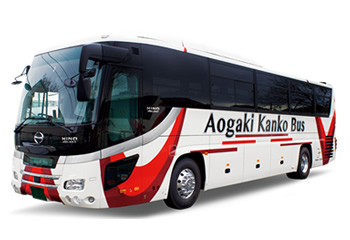
Tokyo Mt. Fuji & Hakone Day Trip: Private Charter Bus
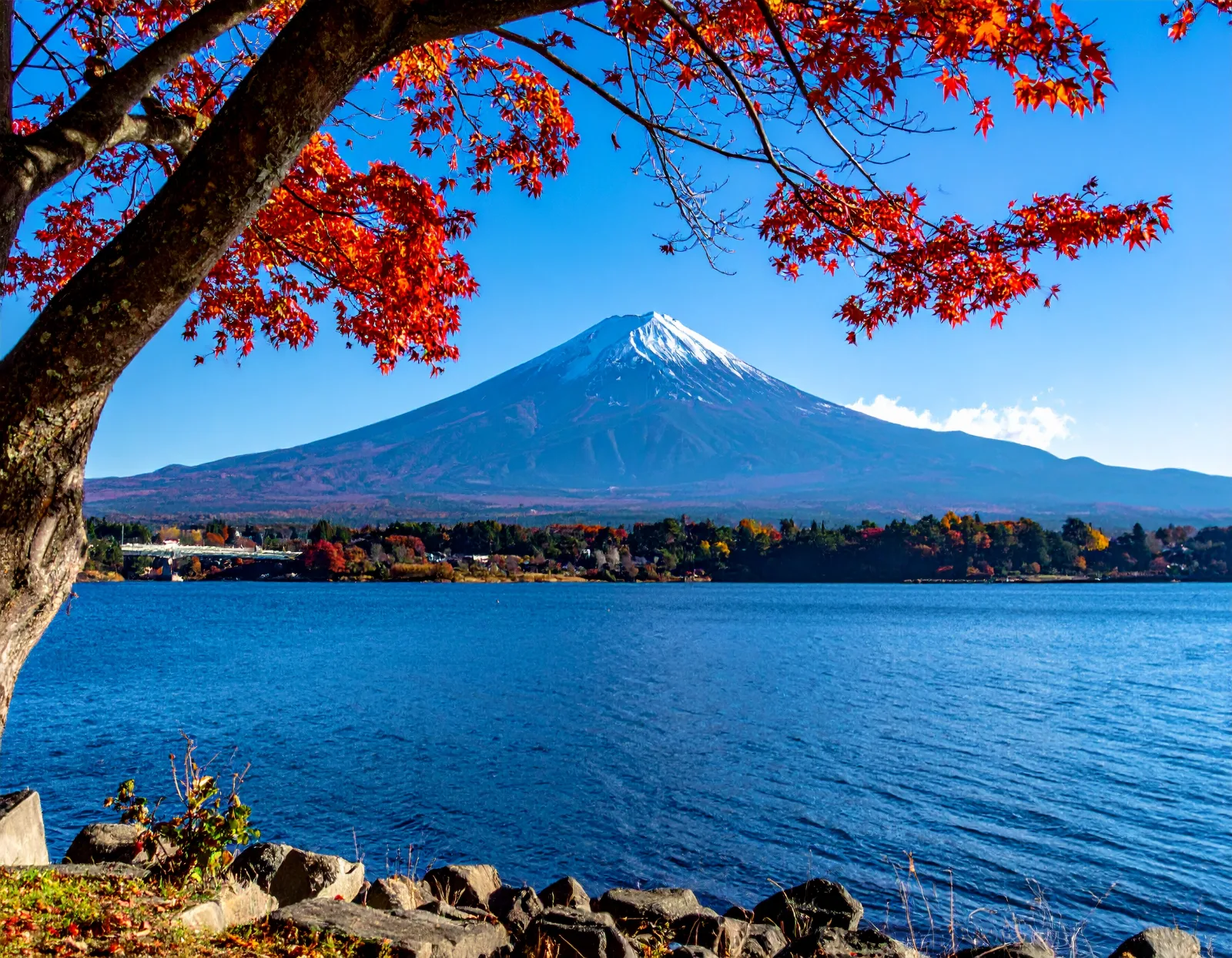
Shared Bus Tour or Private Charter Bus for Your Mt. Fuji–Hakone Day Trip?
When you search for a one-day trip to Mt. Fuji and Hakone from Tokyo, most results are seat-by-seat bus tours booked through online travel platforms. These shared tours are priced per person, typically in the ¥4,999 to ¥16,780 range, and almost always depart from a fixed meeting point in Shinjuku at a set time you cannot adjust. If your name is on the roster, you travel on that bus's schedule, full stop.
You may also see listings labeled "private tour" on the same platforms. In most cases that word means a hired car or minivan for one to nine travelers—comfortable for a couple or a small family, but not a fit once your group reaches double digits.
A private charter bus works differently. Whether you're organizing a school outing, a company trip, or a multi-generation family reunion, we quote and reserve a whole vehicle for your group alone. There's no per-seat math, no shared itinerary with strangers, and no departure time set by someone else's tour calendar.
What You're Actually Riding: Our Charter Bus, Seats, and Boarding
Our fleet for a Fuji-Hakone charter includes large buses (up to 53 or 60 seats), mid-size buses (up to 28 seats), and microbuses (up to 28 or 23 seats), plus lift-equipped large buses and microbuses that accommodate one to six wheelchair users. Onboard you'll find a karaoke system and a CD/DVD player for groups who want to keep the mood going between stops. To set expectations clearly, our buses do not have Wi-Fi, USB or power outlets, or an onboard restroom, so we build comfort stops into the route instead.
Boarding is straightforward: the bus arrives at your chosen pickup point ahead of the scheduled departure, our driver confirms the headcount, and the group loads together before setting off. For larger groups we're happy to work out a seating plan in advance—by class, by family unit, or simply front-to-back by boarding order—so everyone finds a seat without confusion at the curb. Please note that a Japanese-speaking guide or staff member accompanies each charter to help with on-the-day communication.
When Is Mt. Fuji Most Likely to Be Clear on the Way to Hakone?
Nothing frustrates a Fuji-Hakone itinerary more than arriving to a mountain hidden in haze. Winter, from December through February, is when the air is driest and skies over Mt. Fuji are clearest most often; summer humidity works against you far more frequently. Within a single day, the odds are best in the early morning while the air is still cool—by midday, rising heat and moisture tend to build haze around the peak.
As an operator that drives this route regularly, we can also share what the view looks like in practice along Route 138, the main road connecting the Fuji Five Lakes area to Hakone: certain open stretches offer a clean, unobstructed line of sight to the summit on a clear morning, and we route the drive accordingly when conditions allow.
When the 5th Station Is Closed for the Season: Alternate Routes
Mt. Fuji's 5th Station, the popular high-elevation viewpoint, closes to vehicle traffic for part of the winter season each year. If your travel dates fall inside that window, we simply build the day around it rather than skipping the mountain altogether, keeping the Route 138 drive and Fuji Five Lakes scenery in the morning and shifting more time to the Hakone side—Lake Ashi and the Owakudani valley—so the day still feels full and well-paced.
Separately, the Hakone Ropeway itself also closes a section of its line for scheduled maintenance during the winter each year, switching over to a replacement shuttle bus running roughly every 15 minutes between Sounzan, Owakudani, Ubako, and Togendai. That closure typically runs for a few weeks at some point during the winter months. We check current access conditions before finalizing your route, and if everything is running as usual on your travel date, it stays on the itinerary.
How Group Charter Pricing and Flexible Pickup Points Work
Charter pricing is quoted per bus based on your group size and itinerary—not per seat—so a group of 20 and a group of 45 aren't paying by headcount the way they would on a shared tour. That per-vehicle structure makes the total easy to plan around for a school, company, or family budget, since it doesn't shift with a few more or fewer passengers within the bus's capacity. For context, the seat-based online tours mentioned earlier are priced per person rather than per vehicle—useful as a comparison, but not how our charters work; for an exact figure, we quote each group individually based on headcount and route.
Pickup isn't limited to a single point in Shinjuku or Ginza. Since this itinerary is based out of our Tokyo office, we can generally arrange pickup at your hotel or another convenient point across central Tokyo, and groups already coordinating with us through our Osaka or Kansai Airport offices for a wider trip can fold the Tokyo-area leg into the same plan. Each additional pickup point adds some routing time, so most groups keep it to one or two stops for the smoothest schedule.
A Sample Itinerary: Lake Ashi, Owakudani, and Getting Back
One itinerary that works well for a Fuji-Hakone day trip starts with the drive out along Route 138 for views of Mt. Fuji, followed by a cruise on Lake Ashi, where the mountain can appear reflected on the water on a clear day. From there, the group heads to Owakudani, the volcanic valley known for its steaming vents and sweeping views over the Hakone mountains. Because of the sulfur in the air there, for safety we recommend that anyone with respiratory or heart conditions—or anyone simply not feeling well that day—keep their time at the valley's edge brief rather than lingering.
For the return leg, groups can either ride back to central Tokyo on the same charter bus or have the bus drop them at a train station for onward travel by Shinkansen, whichever fits the day's schedule and where everyone needs to be afterward.