Kansai One-Day Bus Tour Kyoto Nara: The Real Itinerary Guide
What Actually Happens on a Kansai One-Day Bus Tour to Kyoto and Nara (The Real Itinerary)
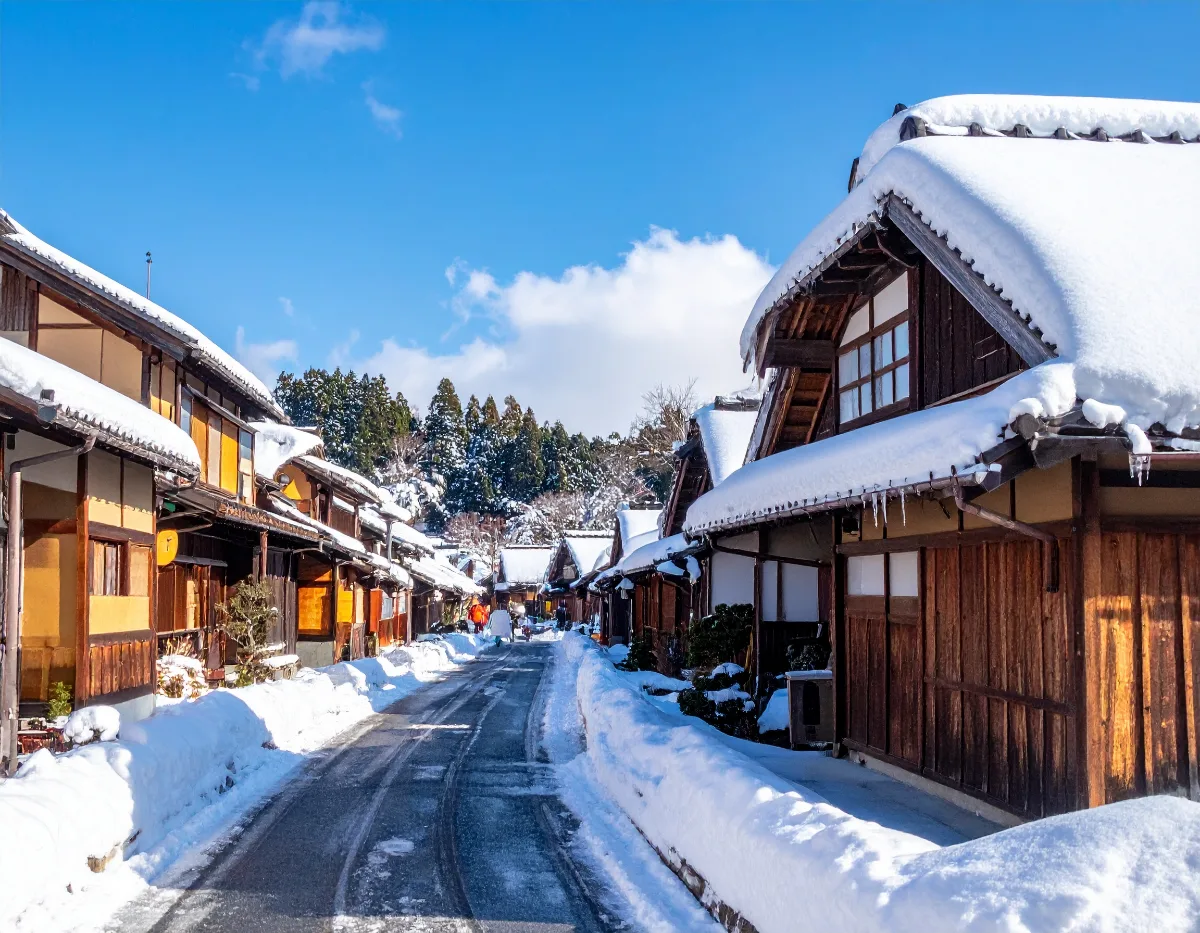
Yes — most Osaka- and Kyoto-departure day tours to Kyoto and Nara really do run on a tight, predictable clock: pickup around 8:00, return by roughly 18:00, about ten hours door to door. Within that window, the standard stop lineup rarely changes much: Fushimi Inari's torii gates first thing in the morning, Kiyomizu-dera as the Kyoto highlight, then a shift over to Nara Park, Todaiji, and Kasuga Taisha for the afternoon.
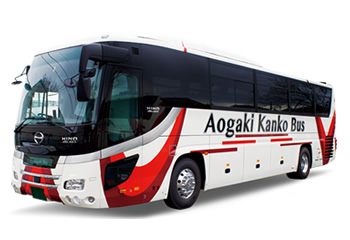
The coach itself is just as standardized as the route. A typical large sightseeing coach seats 53 passengers — 45 in regular rows plus 8 folding auxiliary seats in the aisle. A 60-seat configuration (49 regular + 11 auxiliary) also exists, but it's rare on this route and legroom is noticeably tighter, so most operators default to the 53-seat layout for comfort on a full-day itinerary.
Curious what a day like this would cost for your own group? Our online quote simulator gives an instant estimate based on group size and route.
What surprises a lot of travelers is that this itinerary shape isn't only about sightseeing logic — it's also built around safety rules that govern how long a driver can drive and when they must rest. Once you understand those rules, the whole schedule (and why it rarely changes) makes a lot more sense.
Why Kyoto–Nara Bus Tours Run Late: The Rest Rules Nobody Explains
Coach drivers in Japan are required to take a break of at least 30 minutes after every 4 hours of continuous driving. It's a safety rule, not a marketing choice. It applies regardless of traffic, weather, or how long your group lingered at a photo spot. That's why a tour's rest-stop timing is fixed on the schedule rather than something a driver can flex around on the fly.
For longer day tours, operators sometimes run with two drivers instead of one. A two-driver crew can cover up to 19 hours of total duty time in a single day. That's exactly how a full Kyoto-and-Nara loop — with early pickup, a full day of stops, and a return trip through evening traffic — stays inside safe operating limits instead of pushing one driver past what's allowed.
The practical takeaway for travelers: build 20 to 30 minutes of buffer into your own expectations. If the bus is running a little behind a printed schedule, it's very likely the rest-stop rhythm and traffic doing exactly what they're supposed to do — not a sign of poor planning.
How Early Should You Arrive at the Meeting Point? A Driver's-Eye View
Anyone who has actually stood at a coach meeting point during boarding knows it looks nothing like a stock photo. Headcounts, luggage stowage, and getting everyone settled into a 53-seat coach in the right order all take real, measurable time — more than most passengers assume.
As a general rule of thumb, plan to arrive around 15 minutes before departure. That's typically treated as the practical minimum rather than a nice-to-have, since it gives the crew time to load luggage, confirm the group is complete, and pull out on schedule.
One honest detail worth knowing in advance: day-tour coaches typically do not come equipped with an onboard restroom (overnight and night-bus services are usually the ones set up that way). That's a big part of why the 4-hour rest-stop rhythm from the previous section matters so much for planning your own breaks. Build your hydration and bathroom timing around those scheduled stops rather than assuming you can go whenever you like.
It's also worth knowing that in most cases, drivers and crew cannot hold departure past the scheduled time to wait for latecomers — the same duty-time rules covered above mean the whole day's timing is calculated in advance, with very little slack to give back.
Beyond Fushimi Inari and the Deer: Quiet Nara Stops Most Tours Skip
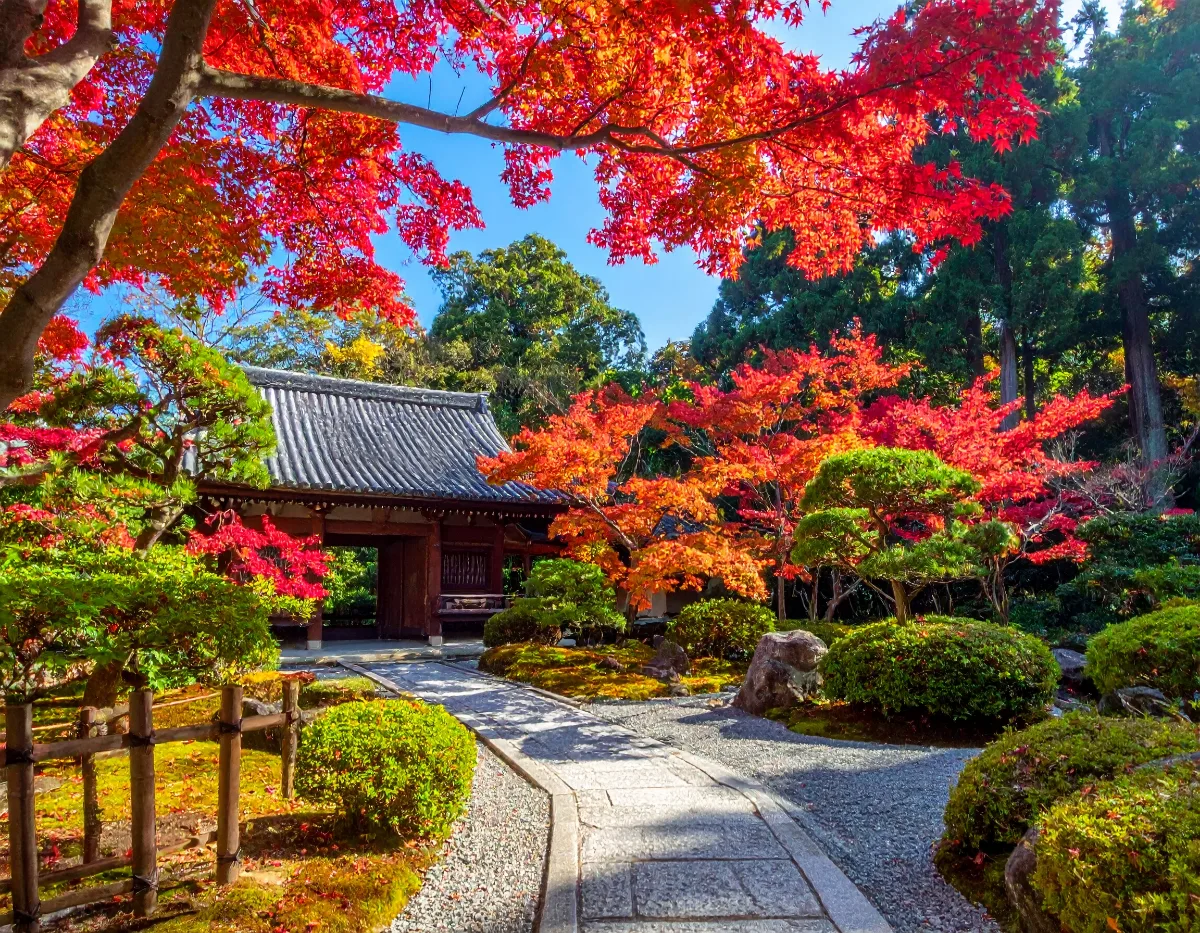
The standard OTA day-tour route understandably focuses on Fushimi Inari and Nara Park's deer, but Nara rewards travelers who know where to step just a little further off the main path — and most of these spots are an easy walk from the park itself.
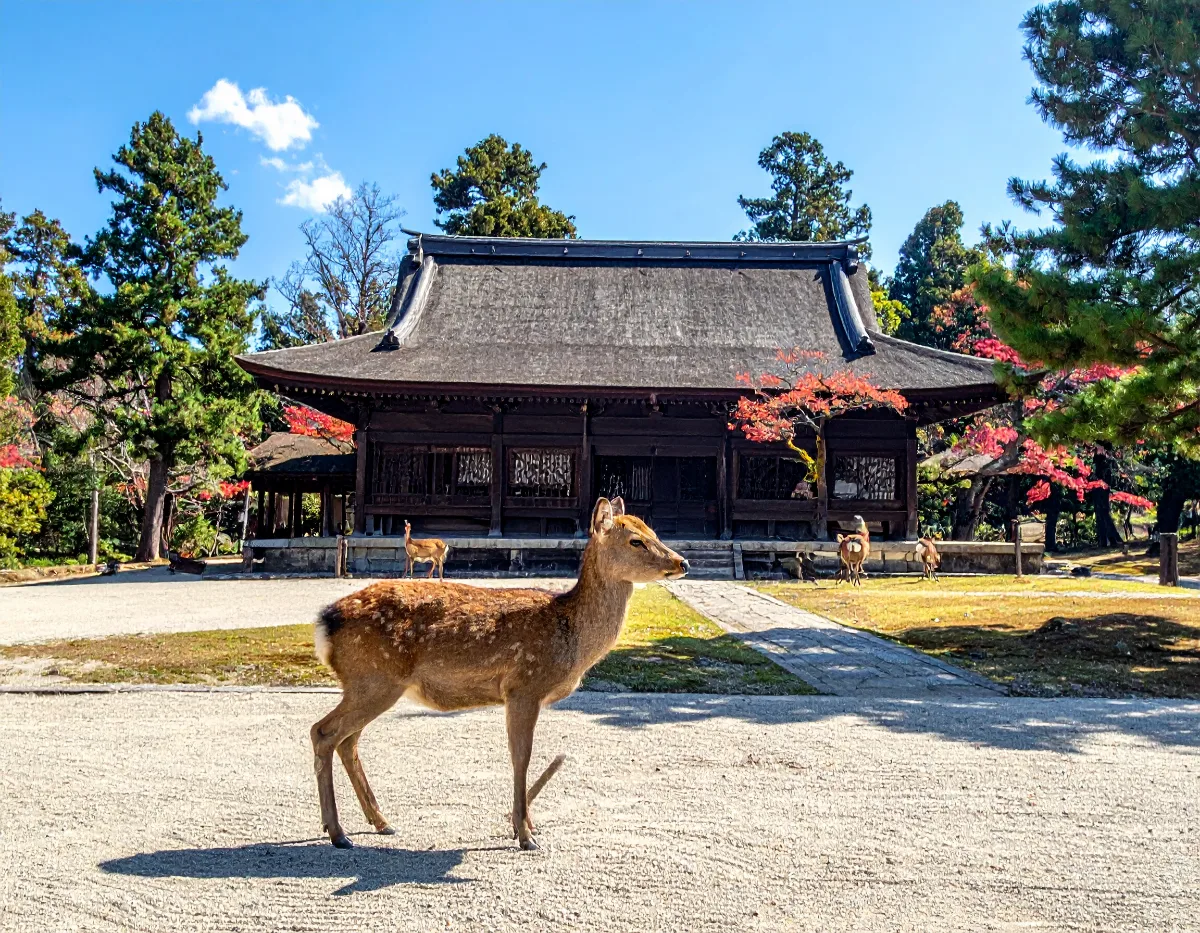
Within walking distance of Nara Park you'll find the Manyo Botanical Garden, Yoshikien and Isuien gardens, the Ukimido floating pavilion, Sarusawa Pond, Himuro Shrine, and Shosoin — a cluster of quiet, low-crowd stops that most fixed-route itineraries simply don't have time for.
This is where operator-level route knowledge makes a real difference for groups that want a calmer pace than the standard circuit. If you'd like to see how these quieter stops can fit alongside the classic sights, our Kyoto and Nara model course page lays out sample itinerary combinations built around exactly this kind of pacing.
Best Time of Year to Go: Beating Nara's Summer Heat
Nara summers run hot — highs around 37.8°C aren't unusual in July and August. It gets hot enough that on the worst days, the park's deer are cooled down with mist showers. Traveling comfortably in that heat takes a little planning.
Hydrate often rather than waiting until you're thirsty. Favor shaded routes between stops where you can — the approach to Todaiji and the paths around Kasuga Taisha typically offer more tree cover than the open plazas near the entrances. Where possible, choose morning-departure tours in July and August so the most exposed walking happens before the midday peak.
Spring cherry blossom season and autumn foliage season bring their own challenge: heavier crowds concentrated right at Todaiji and Kasuga Taisha. In those seasons, where a stop falls in the running order matters even more than usual — earlier positioning in the itinerary means shorter lines and calmer photos.
Chartered Bus vs. Fixed-Route Tour: Which Fits Your Group?
A fixed-route day tour follows a set stop order and timing, shared with other passengers on the same coach, built around the rest and duty-time rules described above. A private charter works within those same safe driving and rest constraints, but lets your group set its own stop order, pacing, and priorities on the day.
That flexibility tends to matter most for families traveling with young children or older relatives, school groups keeping everyone together, and parties who simply want the privacy of their own coach rather than sharing seats with strangers.
It's also worth knowing that a scheduled, fixed-route sightseeing coach service already operates in the Nara area: Nara Kotsu runs a teikan kanko (regular sightseeing) bus course with English-language support, covering Todaiji's Nandaimon gate and Great Buddha Hall, Kasuga Taisha's main hall, and the top of Mt. Wakakusa. It's a fine choice if a set route with an English-friendly guide suits your plans and you're comfortable sharing the coach with other travelers. For groups that want their own order of stops, their own pace, and their own coach, a private charter is the better fit — and knowing both options exist is what lets you pick the one that actually matches how your group likes to travel.
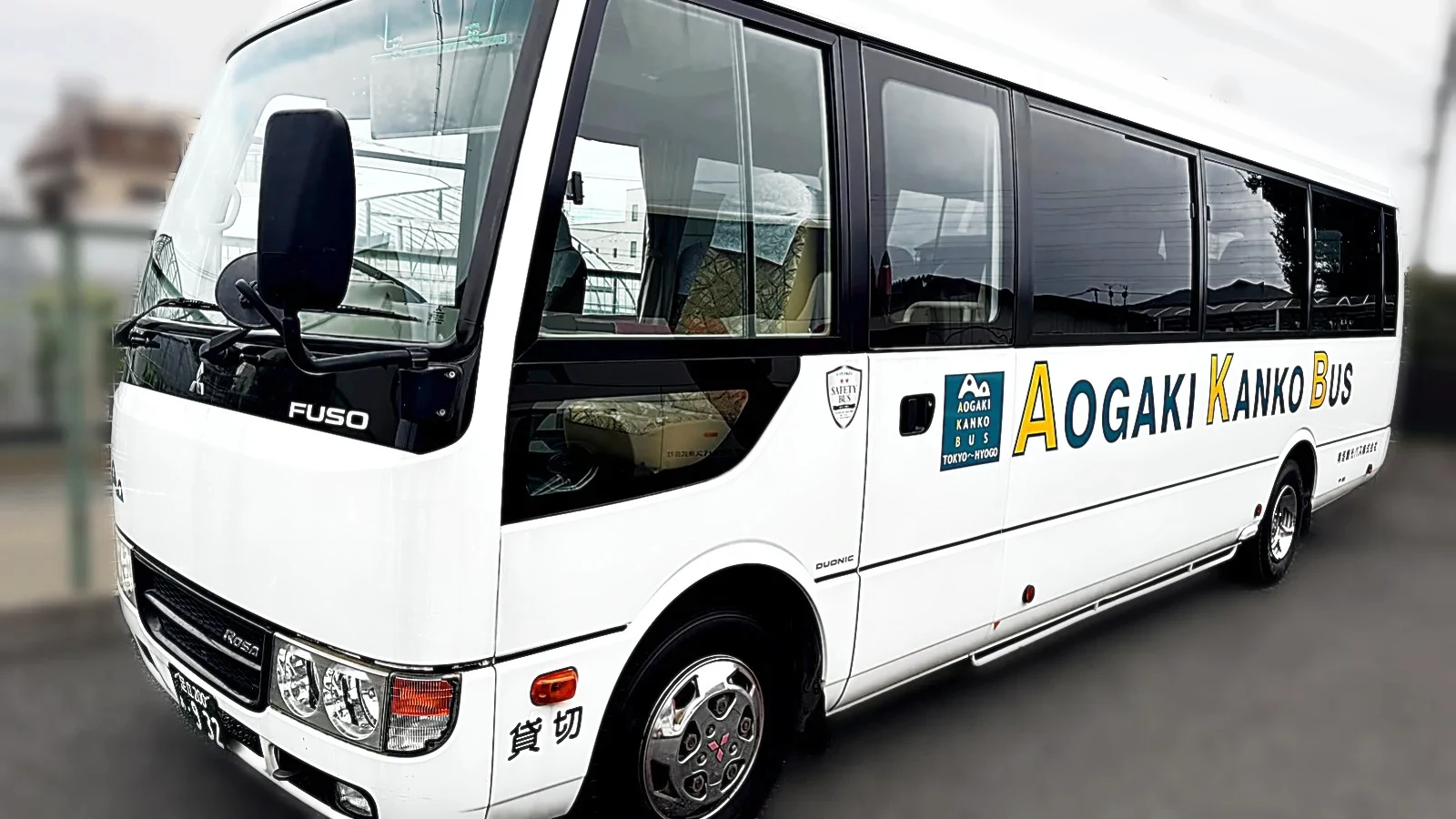
Aogaki Kanko Bus operates charter coaches departing from Kansai Airport, Osaka, and Tokyo, with large, medium, and micro bus options — including wheelchair-accessible vehicles — available depending on your group size. Not sure which option fits your budget? Try our online quote simulator for an instant estimate, or request a charter quote directly based on your group size and itinerary — either way, we'll help you build a Kyoto–Nara day that runs on your schedule, not a set one.
A Japanese-speaking party leader must accompany the group on board.