Japan School Group Tour Bus Charters: Booking & Cost Guide
Chartering a School Group Bus in Japan: How Booking & Cost Actually Work
A Japan school group tour bus is priced around the itinerary itself — there is no fixed per-seat rate to quote from. Route distance, number of travel days, and pickup and drop-off points all shape the final number, so the most reliable way to plan a budget is to request a quote once your route and group size are set. The figure that comes back reflects your actual stops and mileage, not a standard rate card.
Because larger groups spread the same vehicle and driver cost across more students, per-person costs generally fall as headcount rises, which is one reason school groups often find chartering more economical than assembling several smaller vehicles. To get an accurate number, a carrier only needs three things from you: where the group boards and disembarks, how many travelers and chaperones are joining, and how many days the program runs. One advantage of working directly with the company that owns and operates the buses — rather than only a tour-package intermediary — is that this quote, and every logistics question that follows it, comes straight from the team that will actually run your trip.
Tell us your route and party size.
Get a Free Quote ▶
Kansai-Based School Group Charters: Himeji, Kobe & Kyoto Day Trips
Our vehicles are based out of offices in the Kansai region, including an Osaka office and a base near Kansai International Airport, which puts a fleet within easy reach of the day-trip destinations international school groups most often request — Himeji Castle, Kobe, and Kyoto among them. A coach can leave from our Kansai base in the morning, spend the day moving between sightseeing and educational stops, and be back at the pickup point the same evening, keeping single-day programs simple to plan around a school's schedule.
The same regional base also supports longer programs. Groups combining a Kansai day trip with an extended, multi-day educational circuit can be handled by the same local team, so the logistics of vehicle availability, driver scheduling, and route planning stay consistent whether your program is a single afternoon or a full week.
How Far in Advance Should You Book a School Bus Tour in Japan?
Two windows fill up fastest each year: the weeks right after Japan's spring holiday season into early summer, when middle school groups travel in large numbers, and autumn, which is the busiest period for high school programs. Booking inside either window without a head start makes it harder to secure the exact vehicle size and departure time your itinerary needs.
Driver scheduling in Japan follows careful rest and duty-hour guidelines, so reaching out early is the best way to make sure the bus and driver you need are actually free on the dates you want. Reaching out as soon as your program dates are set, rather than after the itinerary is finalized, also leaves more room to adjust stops and timing before everything is locked in — an early conversation with the carrier is always a good idea.
Driver Shifts & Multi-Day Logistics for School Group Trips
Every driver assignment is built around a safety-first guideline: a single driver typically covers up to around 400 kilometers and about nine hours of duty in a day. Itineraries that stay within that range run with one driver for the entire trip.
Programs that push past it — a long transfer day, or a route linking several distant destinations — bring in a second, relief driver so no one is asked to drive beyond what's safe.
Multi-day and overnight programs add another layer: when a trip runs more than one day, lodging for the driver (or drivers) is arranged as part of the plan, the same way it would be for any traveling staff member.
None of this changes what a school group experiences on board — it simply means the schedule behind the scenes is built to keep drivers rested and alert for the whole program, from the first pickup to the final drop-off.
Safety Management & Vehicle Standards Behind Every School Charter
Behind every departure is a routine that does not change: a pre-departure check-in with the driver, a vehicle inspection, and insurance coverage carried on every trip. It is a simple, consistent process built around one goal — sending a school group out only once the vehicle and driver are ready.
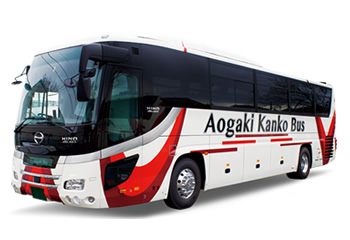
The fleet itself covers a range of group sizes, from large coaches down to microbuses, so a group of nearly any size can be matched to an appropriately sized vehicle rather than overpaying for unused seats.
Coordinators work directly with teachers and chaperones ahead of time to plan boarding points and drop-off timing that fit a school's own arrival and dismissal routine, so the handoff at each end of the day stays smooth. Let us know any special requirements a group has when requesting a quote, and we'll confirm the right vehicle for it.
Sample Itineraries: Day Trips & Multi-Day Programs from Kansai
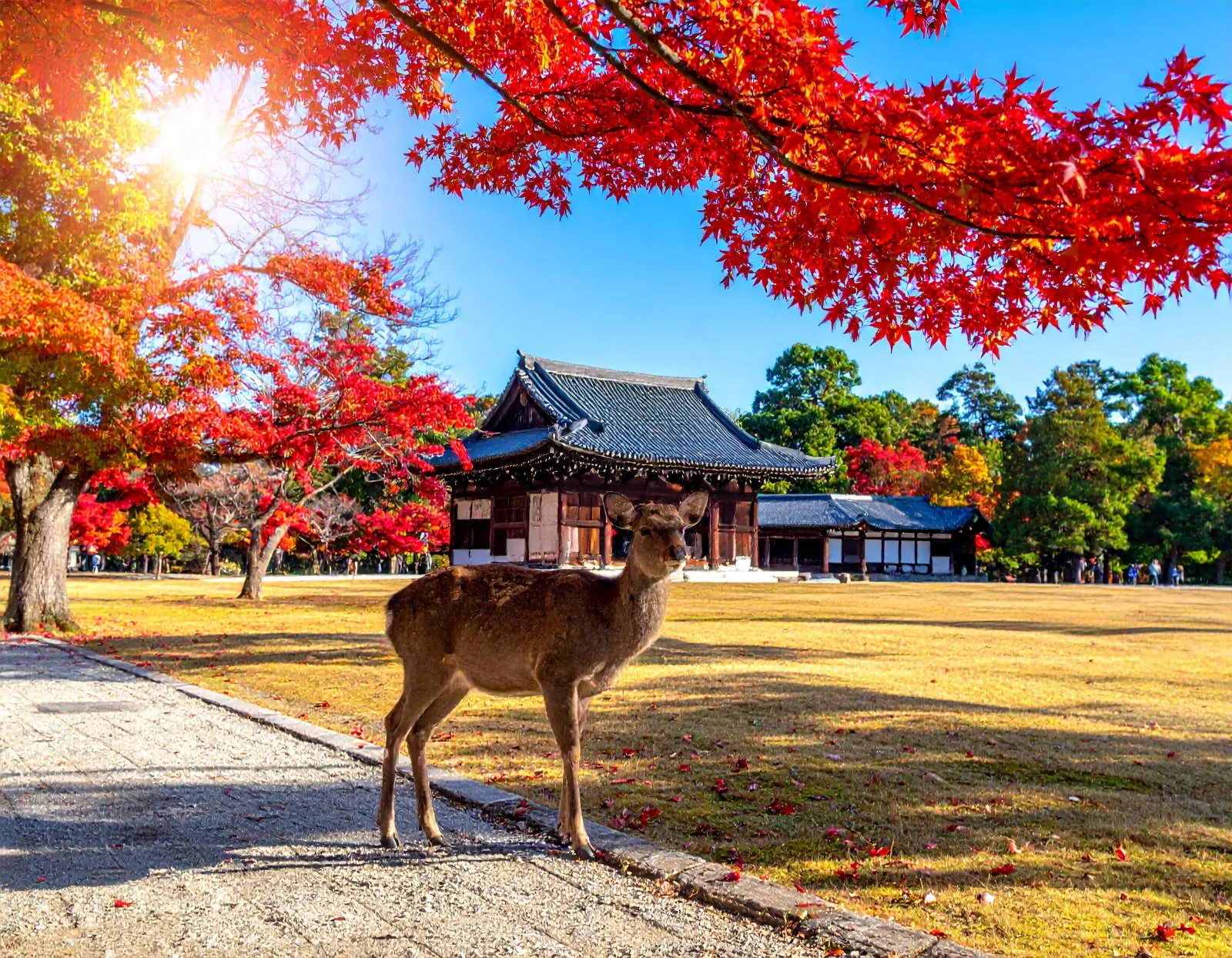
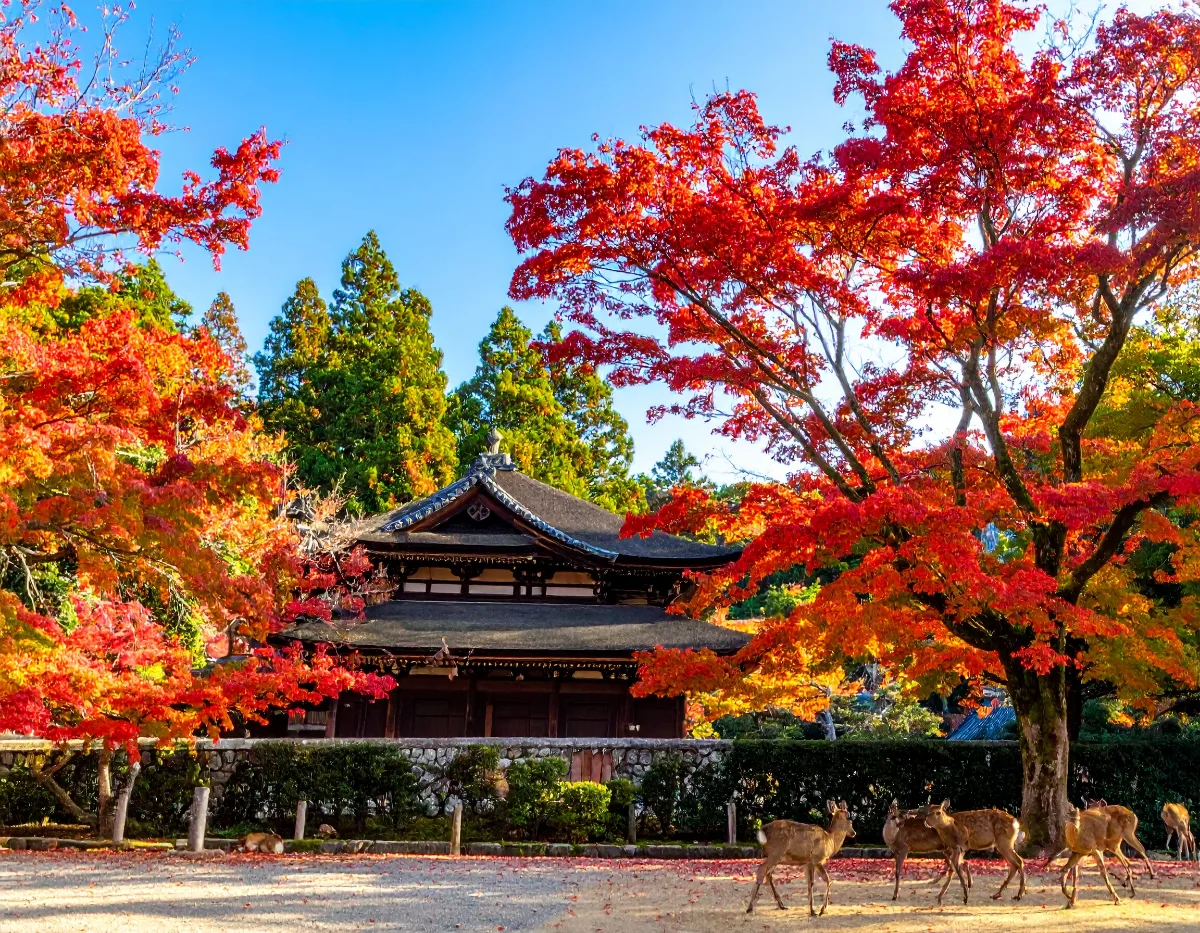
A history-and-culture day trip built around Nara works well as a single-day program: departing from Shin-Osaka Station, the group heads to Todai-ji and Nara Park to see the temple's great hall and its resident deer, then continues to Isonokami Shrine, one of Japan's oldest shrine sites, before returning to Shin-Osaka in the evening. The route keeps travel time between stops short, leaving more of the day for the visits themselves.
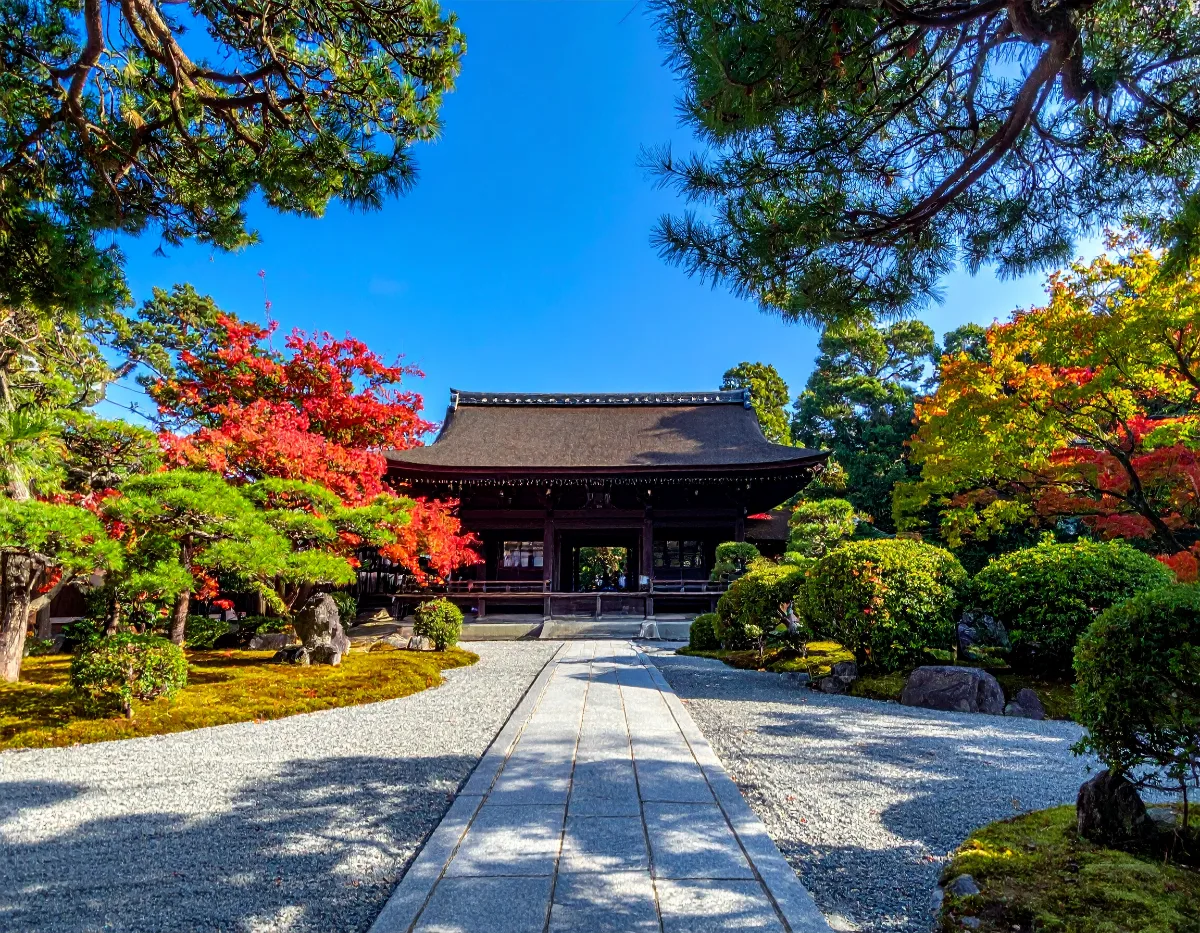
For programs with more time, a multi-day circuit can start with pickup at Itami Airport and an overnight stay near Osaka Honmachi, giving the group an evening to settle in before the sightseeing begins. The next morning, the coach heads into Kyoto, based near Kyoto Hachijo, for a day split between the Togetsukyo Bridge, the quiet garden paths of Tenryu-ji, and the tall stands of the Sagano Bamboo Grove. A third day can fold in the Nara stops from the day-trip model — Todai-ji, Nara Park, and Isonokami Shrine — before the coach turns toward a final drop-off at Kansai International Airport. Both models are starting points rather than fixed packages — themes can lean more heavily into history, traditional culture, or nature depending on what a school's curriculum is built around, with stops swapped in or out once we know a group's interests.
Whatever the season, it's rarely the transfers or the timetable that stay with a group afterward — it's the deer crowding the path at Nara Park on a quiet afternoon, or the hush of the bamboo closing overhead in Sagano as the light softens toward evening.
A Japanese-speaking party leader must accompany the group on board.