Japan Private Bus Tour Pricing: Charter Bus Price Transparency in Direct Operator Quotes
Why Quotes for the Same Trip Can Differ Between Bus Companies

If you have requested quotes from a few different companies for the same Japan bus tour and noticed the numbers don't match, there is a simple explanation. Because the way pricing is calculated differs by region and by company, two operators covering the same route with the same size of vehicle can legitimately land on different figures. A lower number does not automatically mean a corner is being cut, and a higher number does not automatically mean you are being overcharged. As an operator that runs both scheduled and chartered bus service out of our own offices, we prefer to explain exactly how our figures are built rather than simply asking you to trust a total.
What's Actually Included in Your Base Fare

Your base fare covers the core cost of running the bus for your trip: fuel and the driver's operating cost, plus the insurance that covers the vehicle and its passengers. What it typically does not include are highway tolls, parking fees at the places you visit, and a guide's fee if you request one. These are usually billed as actual costs, calculated from the real tolls and fees incurred along your planned route. Because toll pricing can shift slightly with traffic conditions on the day, the final actual-cost total may differ a little from the estimate, even though the plan itself stays the same. Knowing this in advance is the easiest way to avoid a surprise at the end of your trip.
How to Read Your Bus Tour Quote Like a Pro
A well-organized quote separates two kinds of line items. The base fare covers:
- The vehicle itself
- The driver
- Fuel
- Insurance
Billed separately as actual costs are:
- Highway tolls
- Parking fees at the places you visit
- A guide's fee, if you request one
A few situations tend to add cost on top of the base figure, so it helps to ask about them directly: trips long enough to require a driver rotation, and services that start very early in the morning or run late into the night. None of these are hidden fees — they simply reflect real operating costs. To get the most accurate figure the first time, share three things when you request a quote: your total passenger count, your full itinerary including stops, and your preferred vehicle type. Vehicle sizes vary from large coaches down to smaller buses, and telling us your group size upfront helps us match you with the right one and the right final price from the start.
Does the Season You Travel Affect the Price?
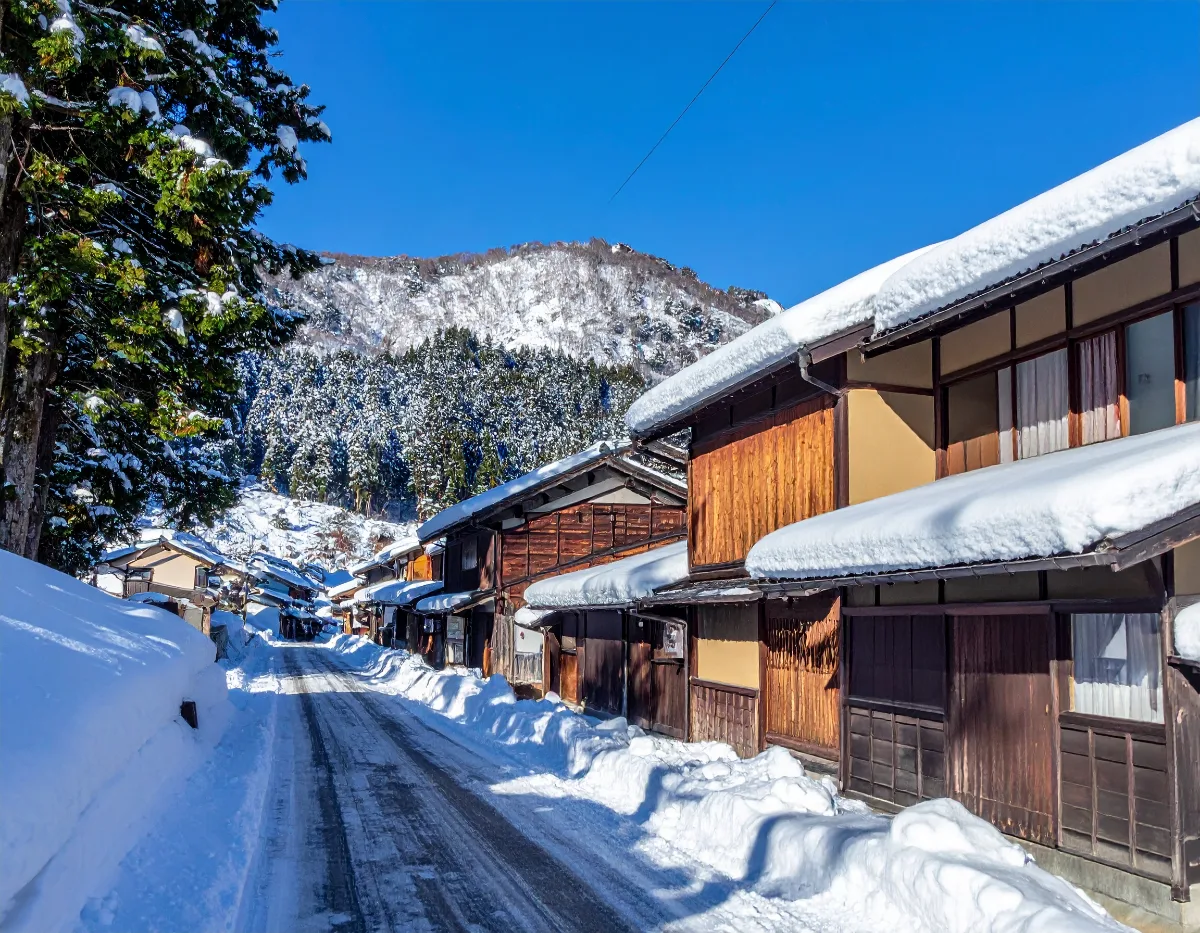
Demand for vehicles shifts across the year rather than staying flat. From early summer through autumn, demand rises as school trips and training programs claim bus availability across Japan, and the specific vehicle size or type you want can be booked out well ahead of your travel dates during these stretches. Availability like this is one of the factors that can shape your quote alongside your passenger count and itinerary, so a trip planned for a busier stretch of the calendar may be priced a little differently than the same trip planned for a quieter one. What matters most is lead time: requesting your quote and reserving your vehicle early gives you the best chance of securing your preferred bus, and your preferred price, before the calendar fills up.
How to Recognize a Trustworthy Bus Operator
Japan has a safety evaluation system for chartered bus operators that rates companies from one star up to four stars, the highest level, based on their ongoing safety practices. Operators that meet the standard can display a "SAFETY BUS" mark on the vehicle itself, so you can often spot it before you even board. If you want to check further, the rating and registration status of licensed operators are published on official government transportation safety pages and industry association websites, so you are never limited to taking a company's word for it. We treat safe, careful operation as part of every single trip we run, from the daily condition checks on our vehicles to how our drivers are supported on the road, and we're glad for travelers to look us up alongside any operator they're considering.
When we build your quote, we always confirm a short list of practical details rather than pricing your trip from the passenger count alone: the width of the roads and turning space at each stop, whether the drop-off point can fit the vehicle size you've chosen, and how much rest time the driver needs between long driving stretches. These same details are what our drivers and dispatch staff walk through each morning before a vehicle leaves the yard — a visual check of tire tread, lights, brakes, and fluid levels, along with a review of the day's route. Beyond that morning walk-around, each vehicle also goes through a more thorough inspection on a set rotation, and dispatch keeps a running maintenance history for every bus in the fleet rather than relying on memory. For longer trips, dispatch also plans driver rest breaks into the itinerary in advance, instead of leaving that decision to be worked out on the road. It's this everyday routine, not a one-time certificate, that we think matters most — and it's why what you see in your quote matches what actually shows up for your trip.
Getting a Clear Quote for Your Japan Bus Tour
The fastest way to get a clear, itemized price for your specific trip is to send us your passenger count, your planned itinerary, and your preferred vehicle type. From there we can build a detailed quote that separates the base fare from the actual-cost items, so you know upfront what's estimated and what will be settled as actual cost once your trip is complete. If you're still shaping your itinerary, we're happy to help turn it into a full day plan — for example, a route starting from Shin-Osaka Station, continuing to Todai-ji Temple, and finishing with a relaxed walk through Nara Park is a popular way to combine convenient pickup with a memorable day of sightseeing.
A Japanese-speaking party leader must accompany the group on board.