International Student Group Tour Buses: Kansai Guide
What to Check First When Booking a Bus for an International Student Group
When a school group or student tour operator sends a delegation of exchange students to Japan, the transportation booking decision usually comes down to three things: does the bus size actually fit the group, does the operator have a real rest and safety system for long travel days, and can the driver and dispatch team coordinate smoothly with the chaperones on the ground. Getting any one of these wrong turns a simple campus visit into a logistics headache.
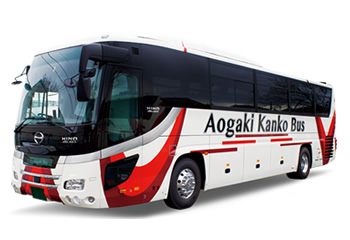
We are a charter bus operator based in the Kansai region, running our own fleet out of Osaka and Kansai International Airport rather than reselling seats through a booking platform. That distinction matters for student groups: the person answering your inquiry has actually dispatched buses to the schools, temples, and parks your itinerary is likely to include.
There is real demand behind this kind of planning. According to 2017 data from Japan's Ministry of Education, Culture, Sports, Science and Technology (MEXT), roughly 39,531 students took part in inbound educational travel that included a high school visit, with the largest shares coming from nearby Asian regions such as Taiwan, South Korea, and China. Group bus transport is a routine part of that pipeline, not a niche request.
The sections below go past the general advice you will find on aggregator sites and cover the operational details that actually affect a student group booking: seating, luggage, rest stops, and how we work with escort teachers who don't speak Japanese.
Tell us your route and party size.
Get a Free Quote ▶
Matching Bus Size and Seat Layout to Your Group's Numbers
Bus size decisions should start with a straightforward headcount, but the seat configuration matters just as much as the number.
A large bus typically seats 45 to 49 passengers in fixed seats, plus 8 to 11 folding aisle seats, for a total capacity of 53 to 60. A mid-size bus carries around 27 passengers, with three seats across the last row and no folding aisle seats. A microbus falls in the 11-to-29-passenger range depending on configuration.
For a student group, the number that matters is students plus everyone accompanying them. Teachers, interpreters, and any support staff should be counted and seated separately from the student headcount when you request a quote, since fitting a group of 45 students plus 4 adults into a 45-seat bus leaves no room. Building in that margin at the booking stage avoids a last-minute seat shortage on travel day.
What Fits in the Trunk: Suitcases and Teaching Materials
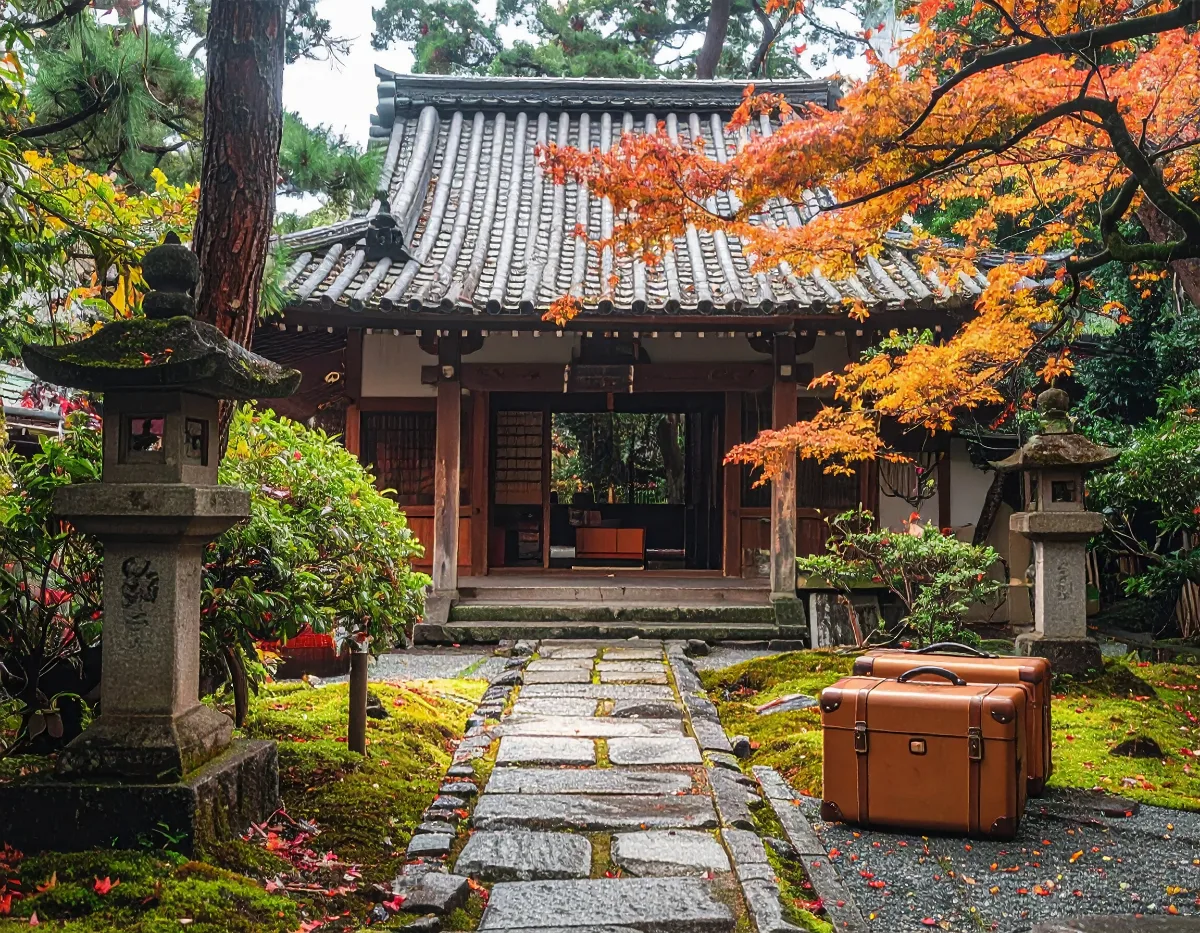
Luggage capacity is one of the most common planning gaps for school groups traveling with both personal suitcases and teaching materials or presentation boxes.
As a rough guide, a large bus's under-floor trunk holds around 40 standard 90-liter suitcases. A mid-size bus, which usually has two separate trunk compartments, holds around 20. A microbus generally has no under-floor trunk at all — only overhead racks inside the cabin — so it is not a good fit for a group carrying full-size suitcases, even if the passenger count fits.
The practical tip we give tour coordinators is to report the expected luggage count (roughly bags per student, plus any bulky items) before the trip rather than on the day of pickup. That single piece of information is usually what decides whether a mid-size bus will work or whether the group needs to step up to a large bus.
How We Plan Rest Stops and Safety Briefings for Long-Distance Travel
Long transfers — say, from Kansai Airport to a school visit several hours away — are built around a fixed rest and duty structure, not left to the driver's judgment on the day.
By regulation, a driver cannot go beyond 4 continuous hours behind the wheel without a break of at least 30 minutes. In practice, we build in a shorter, roughly 15-minute stop every 1.5 to 2 hours, which keeps the group moving without pushing right up to the legal limit. A driver's total duty time is capped at 13 hours in a day, and each driver needs at least 8 consecutive hours of rest before the next shift.
Driver training also covers what to do if something goes wrong mid-trip: the standard sequence is to confirm every passenger is seated, give a calm explanation of the situation, and then guide an orderly evacuation if one is needed. For a group of students who may not speak Japanese, having that sequence rehearsed in advance — rather than improvised — is part of what a safety briefing should cover.
Coordinating with Groups Who Don't Speak Japanese
When a group's primary language isn't Japanese, most of the coordination work happens before the bus ever arrives. We confirm the pickup point, the expected headcount (and what to do if it changes on the day), and an emergency contact number with the escort teacher or local coordinator well ahead of the trip, so nothing has to be sorted out at the curb.
On the vehicle side, drivers who are used to working with visiting groups are assigned when an itinerary calls for it, and for any group that includes members who don't speak Japanese, a Japanese-speaking party leader must accompany the group on board.
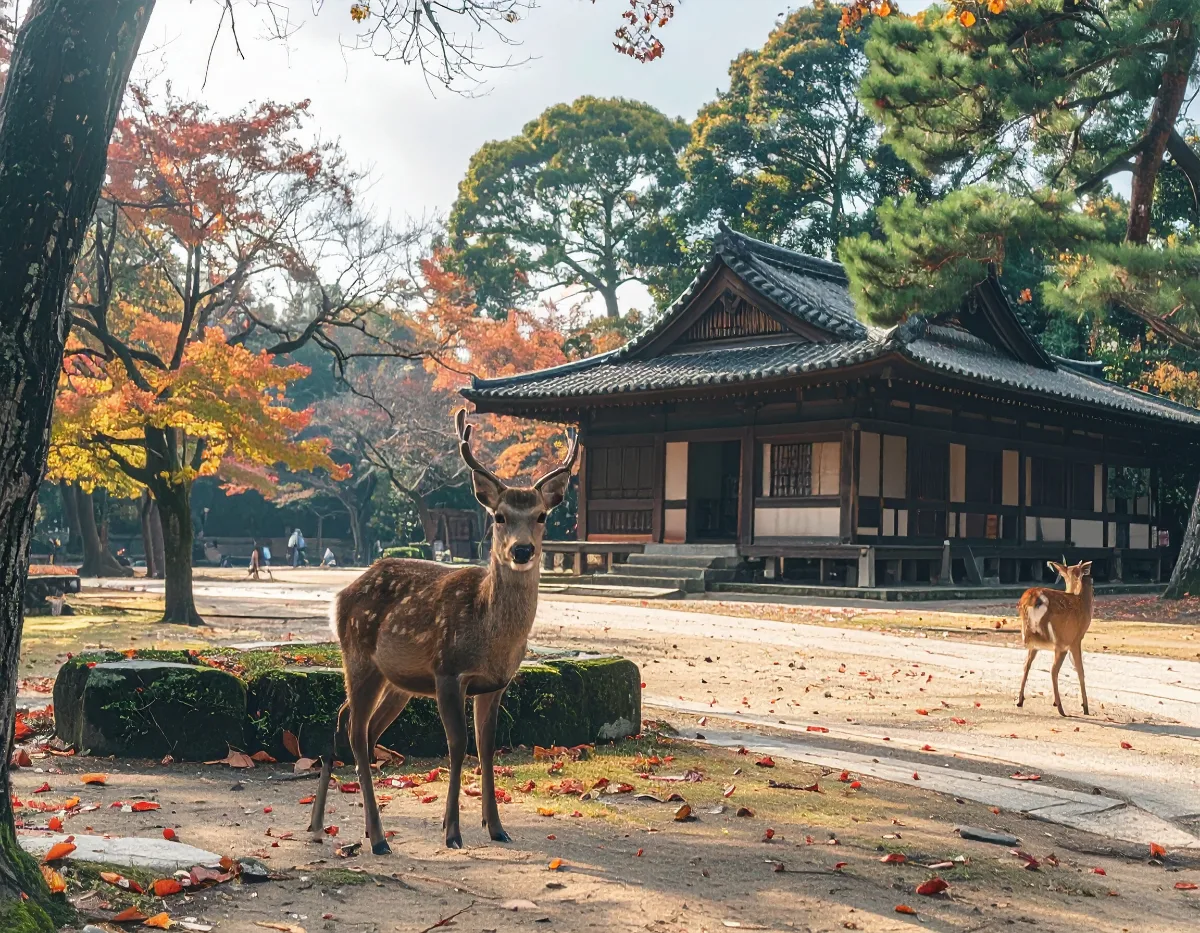
We regularly coordinate pickups and drop-offs around school visits and sightseeing stops across the Kansai area — Shin-Osaka Station, Itami Airport, Todai-ji, Nara Park, Isonokami Shrine, the Katsuragi Sumo Museum, Togetsukyo Bridge, Tenryu-ji, and the Arashiyama bamboo grove are all regular stops on itineraries we support. If you want a sense of how a full day typically comes together, our model course page walks through sample routes for the region.
Airport Transfers, Scheduling, and Getting a Quote
Airport transfers usually carry a minimum booking of 3 hours, and once you account for the bus's deadhead run between the garage and the airport, the real cost often works out closer to 5 hours' worth of service. If the pickup is at Kansai International Airport specifically, tolls for the connecting bridge are added on top, since it's the only road access to the terminal.
Because the final price depends on group size, the number of stops, and total distance, we don't publish a flat rate — the accurate way to see a number for your itinerary is to run it through our online quote simulator, which factors in all of the above.
Get an instant quote for your group's itinerary, or browse our model course itineraries for ideas on how to structure a multi-stop day around Osaka, Nara, and Kyoto.