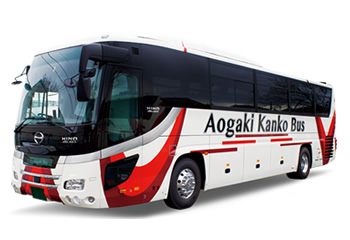
International Student Bus Tours

Where Should Schools Turn for Japan Bus Transportation?
When a school or exchange office in the United States begins planning a group visit to Japan, one of the first questions is how to arrange safe, coordinated bus transportation once the group has landed. In Japan, this kind of trip is officially recognized as inbound educational travel: overseas students who visit Japanese schools together with their teachers, under school supervision, for international exchange and cross-cultural learning. Because the trip touches so many moving parts, from campus visits to sightseeing, most planning starts with a single point of contact rather than dozens of separate bookings.
Each of Japan's prefectures maintains its own office for coordinating school-to-school exchange, and 43 of the 47 prefectures currently handle this kind of matching between visiting groups and local schools. A bus operator that regularly works with these programs can help align the itinerary, plan safety checks for boarding and alighting, and prepare multilingual signage before the group ever arrives. Operators with offices in Tokyo, Osaka, and near Kansai Airport are well positioned to support groups landing at any of the three gateways. Because every group's headcount, route, and number of travel days is different, pricing is always confirmed with a custom quote based on the number of students and the planned itinerary rather than a fixed rate card.
How Do You Match Bus Size to Your Student Group?
Bus size is one of the first practical decisions, and it comes down to headcount rather than guesswork. A large coach seats 45 students in fixed seats, with jump seats bringing the total to as many as 53 passengers, and a small number of large coaches can carry up to 60. A mid-size bus typically seats around 28 students with no jump seats available. A micro bus fits roughly 20 to 26 passengers once jump seats are included.
Once the headcount is set, the next step is comparing it against these limits. If a group of 30 students is assigned to a micro bus rated for 25 passengers, a single bus will not be enough, and the correct plan is to book two buses rather than overfill one. It also helps to build in a small margin above the raw student count so that chaperones, teachers, and hand luggage do not push the group past a bus's rated capacity.
How Is Boarding and Alighting Safety Handled?
Large groups of students moving on and off a bus at the same time is exactly the moment when safety planning matters most. On a typical group tour, a tour conductor is responsible for guiding the boarding and alighting process, keeping count of students, and handling anything that comes up during the day, from a delayed connection to a change in the schedule. A bus guide, by contrast, focuses on what happens once everyone is seated: narrating points of interest along the route and introducing the places the group is about to visit. The two roles are kept separate on purpose, so that safety and schedule management never compete for the same person's attention.
For inbound student groups, a licensed interpreter guide can also be arranged separately from the tour conductor and bus guide, giving the group a dedicated bilingual presence for communication with students and local hosts. Because on-board instructions are given in Japanese, a Japanese-speaking party leader must accompany the group on board at all times.
How Should Seating and Chaperone Placement Be Arranged?
How a bus is seated affects how easily an adult can spot a problem before it becomes one. Spreading chaperones and teachers out near the exit and across different blocks of seating, rather than clustering them all together, keeps more of the bus within easy sight and reach at every stop.
Before the group sets off each day, it is standard practice for the trip organizer to meet briefly with the driver to walk through the day's schedule and check on road and traffic conditions that might affect timing. This short conversation at the start of the day is what keeps the rest of the schedule realistic once the bus is moving.
How Does Multilingual Signage and Announcements Work?
For a bus full of students who may not read Japanese, clear wayfinding matters as much as clear English. The Japan Bus Association's guideline for buses carrying inbound visitors recommends that signage inside the bus and at stops be shown in four languages: Japanese, English, Chinese, and Korean. Place names are kept in consistent romanized spelling so that what students read on a sign matches what they hear in the announcement and from the driver.
That consistency matters more than it sounds. When the spelling a student sees lines up exactly with what is spoken over the microphone, students can confirm for themselves that they are at the right stop or heading to the right destination, without having to rely on someone translating in real time.
How Should School Visits and Sightseeing Be Planned Together?
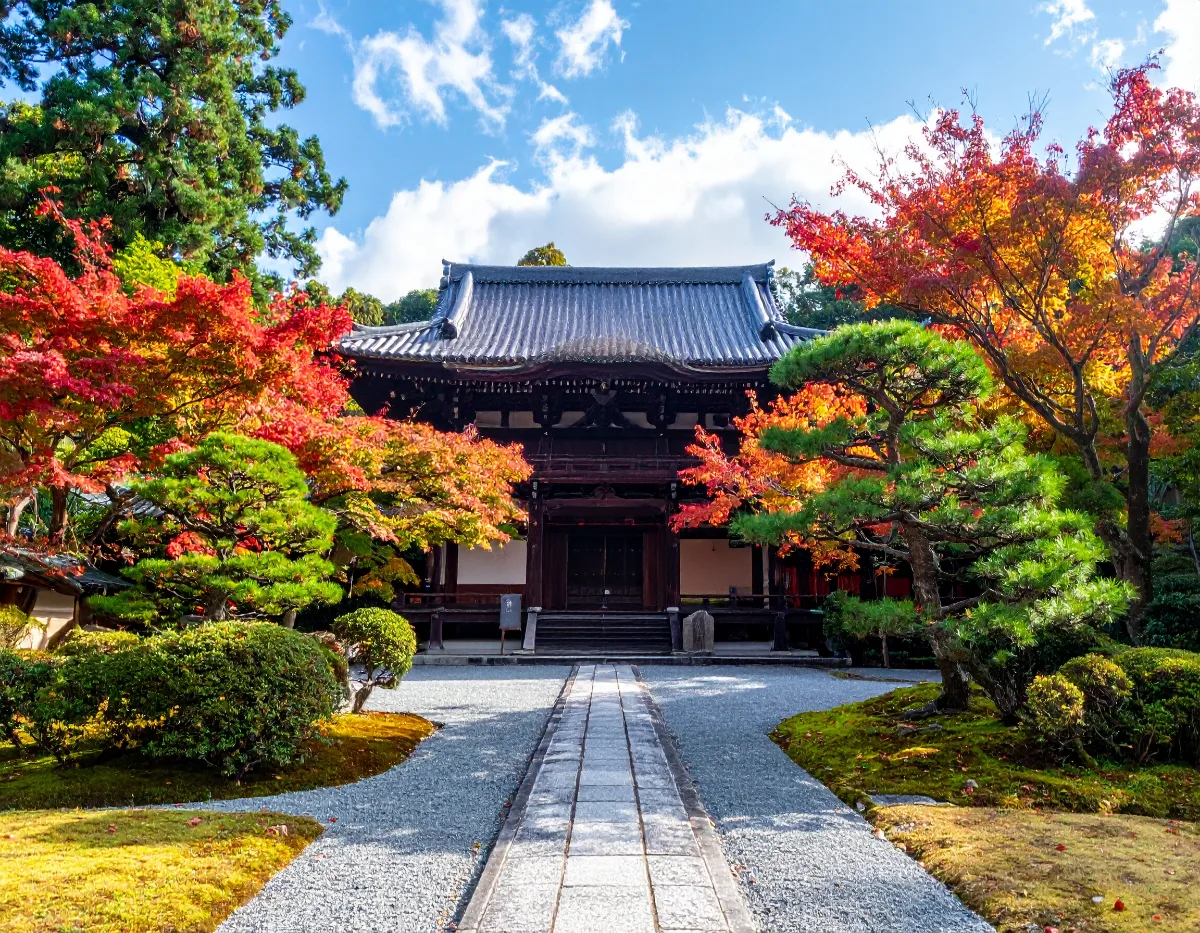
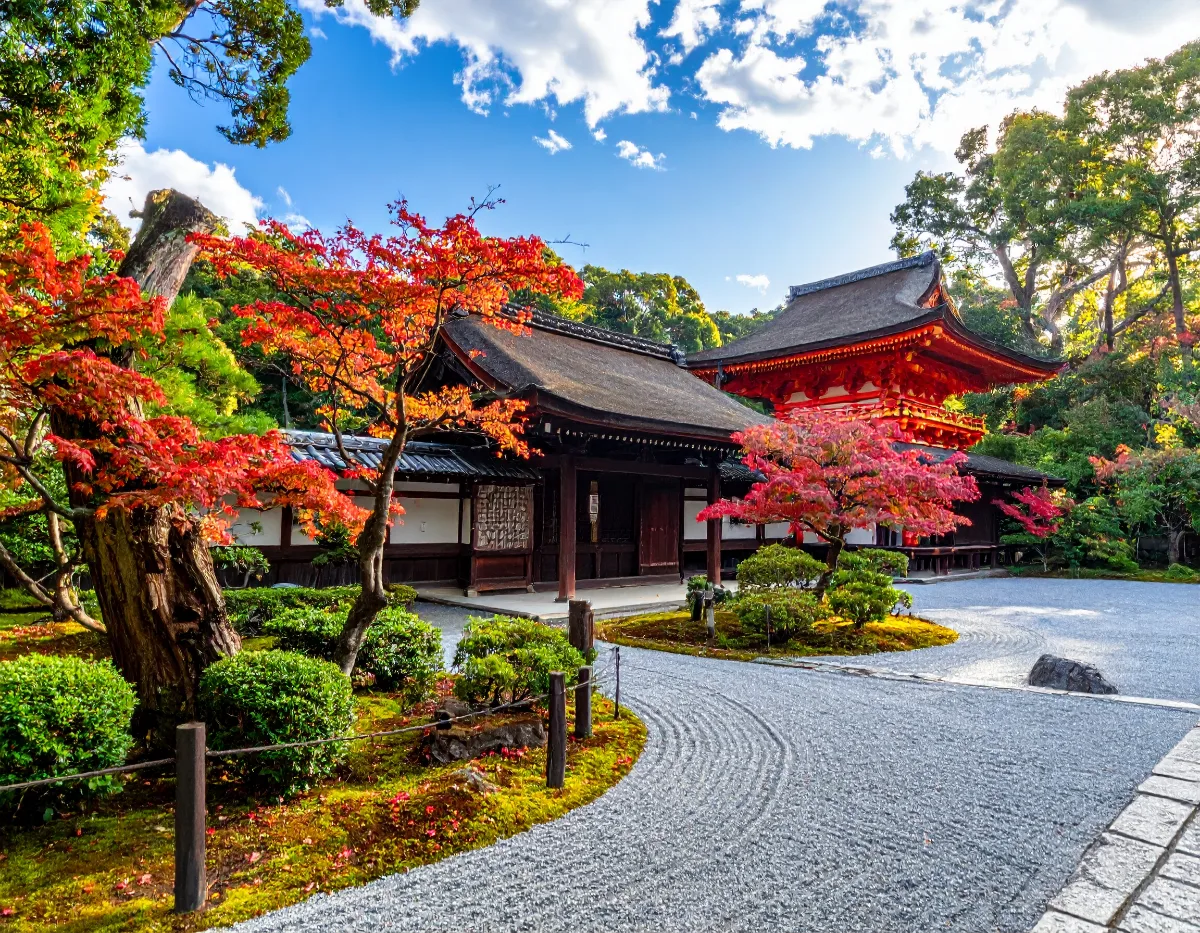
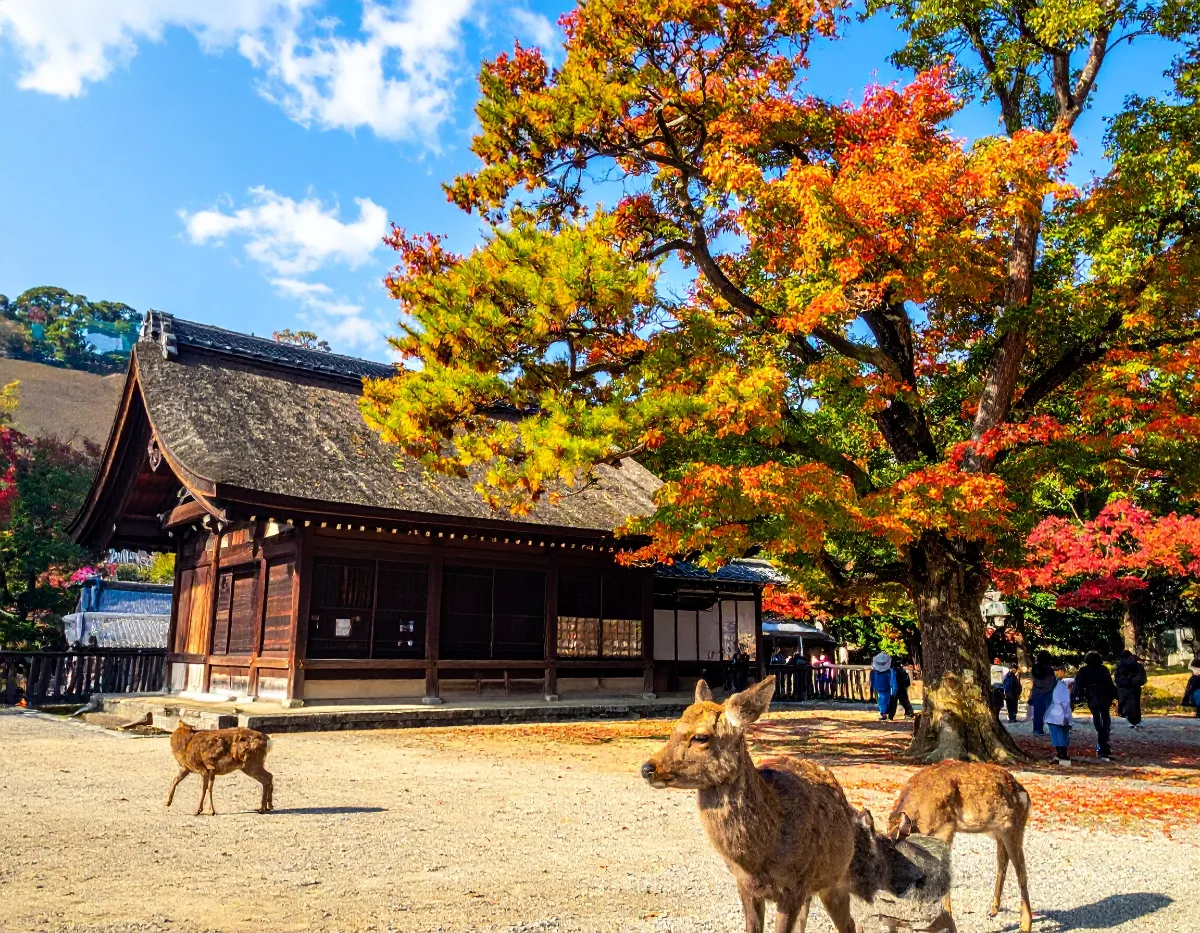
A typical day for an educational travel group blends a school visit with time at one or two sightseeing spots, and the sequence matters. As one example only, and not a description of any specific past trip, a day that starts at a hotel near Kyoto Station could move to the Togetsukyo Bridge, Tenryuji Temple, and the Sagano bamboo grove in the same morning, before the group transfers on to Kansai Airport for departure. A second option pairs a morning arrival at Shin-Osaka Station with an afternoon at Todaiji Temple and Nara Park, keeping the group within a comfortable travel radius for the day.
Both of these pairings keep drive times short enough that students spend their day exploring rather than sitting in traffic, which is the real test of whether an itinerary is realistic. Groups weighing a few different route options can browse more sample itineraries on our model course page before settling on a final plan.